A Light-Filled Hamptons Home Designed Around Its Setting
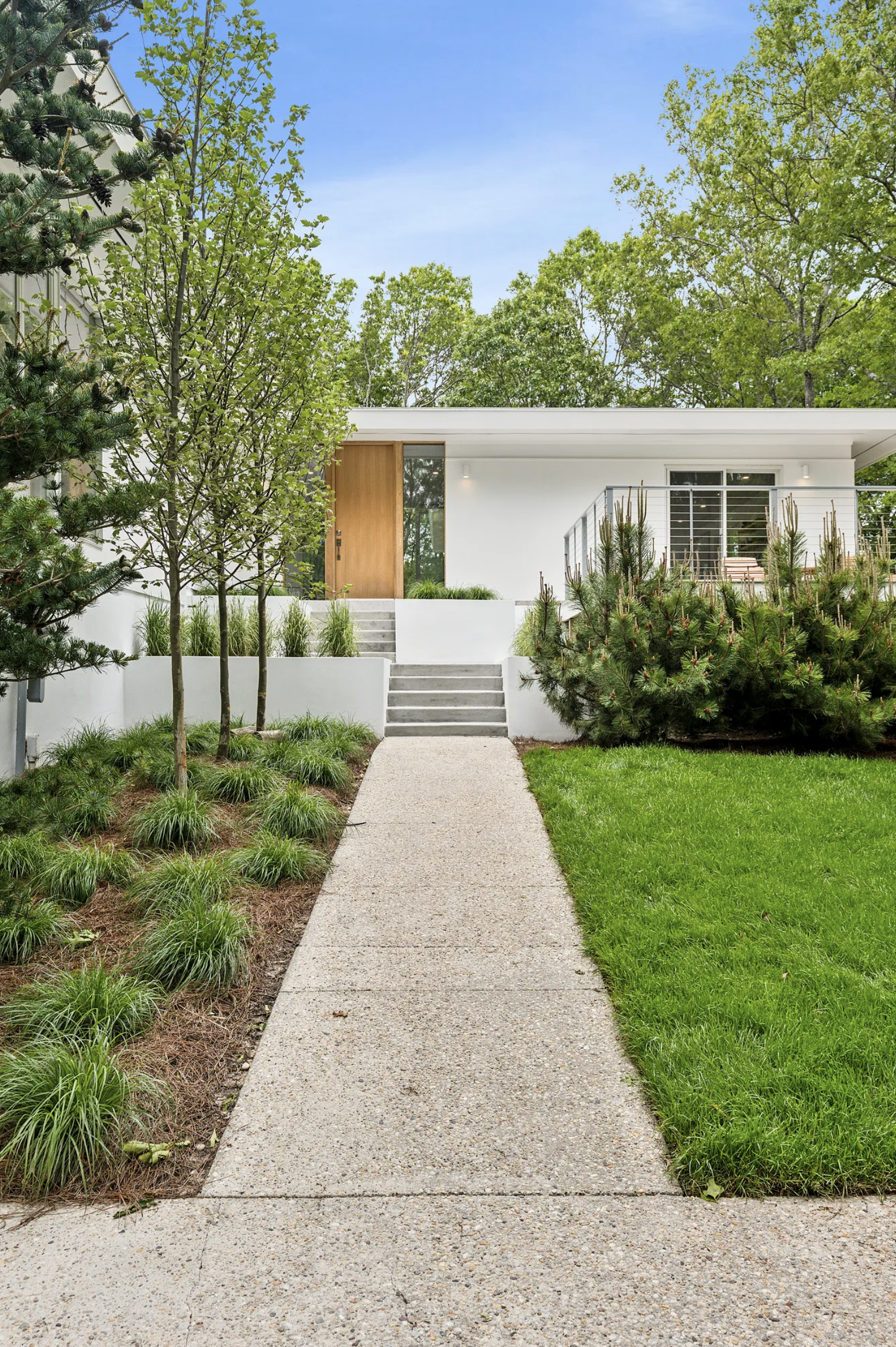
Island View Drive is defined by its relationship to light and landscape. From the outset, the design approach was shaped by the home’s setting—allowing the surrounding environment to inform the interiors rather than compete with them.
Set within a quiet coastal context, this project presented an opportunity to design a home that feels open and grounded at once. Rather than relying on overt gestures or stylistic cues, the interiors are guided by restraint, proportion, and an attentiveness to how light moves through space over the course of the day.
At Island View Drive, the goal was not to frame the landscape as a backdrop, but to make it an active participant in daily life—one that subtly shapes mood, pace, and experience.
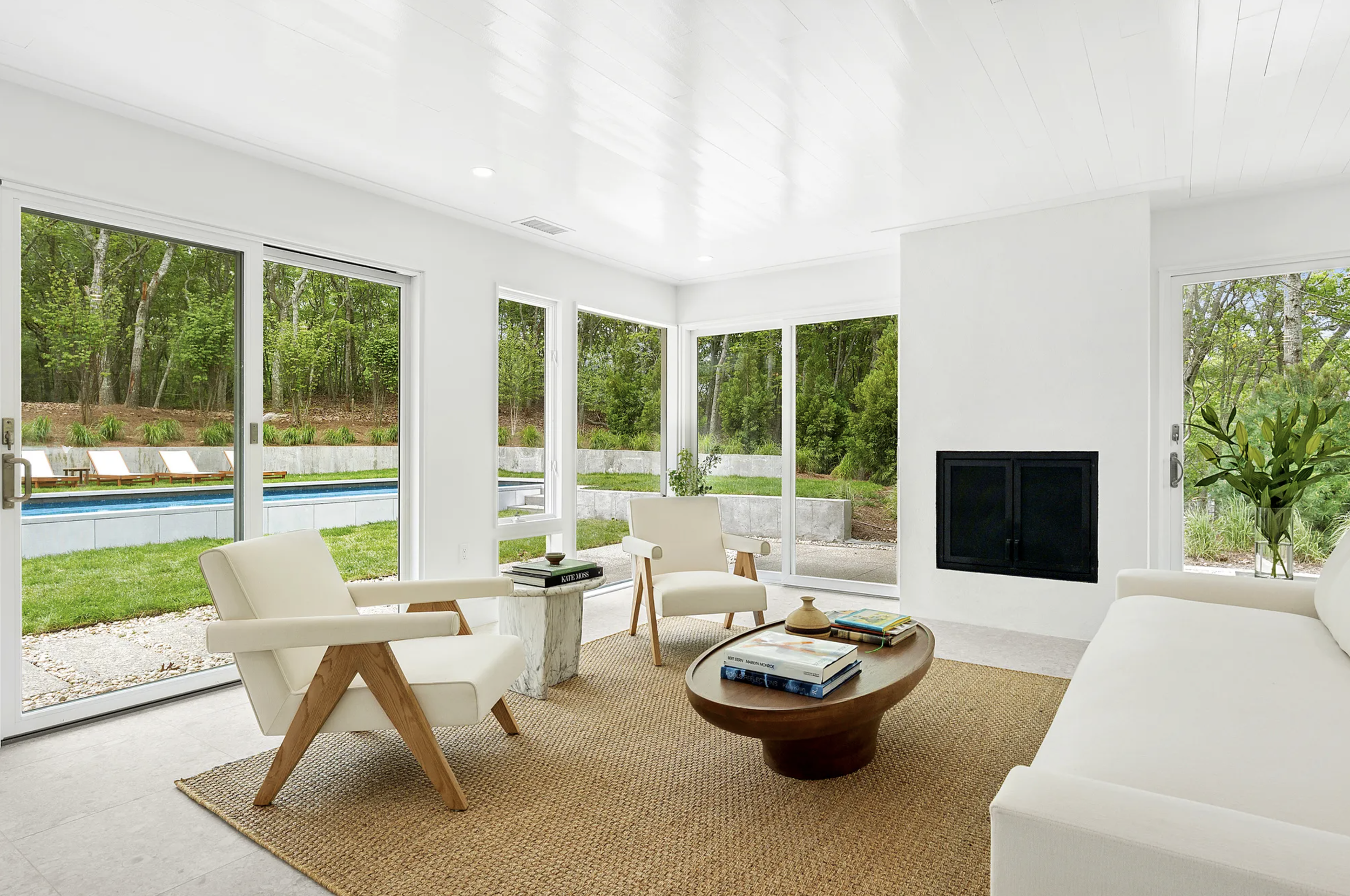
Designing with Light as a Primary Material
Natural light was treated as a foundational design element, not a secondary consideration. Layout decisions, material selections, and finishes were all evaluated through the lens of how they would interact with daylight.
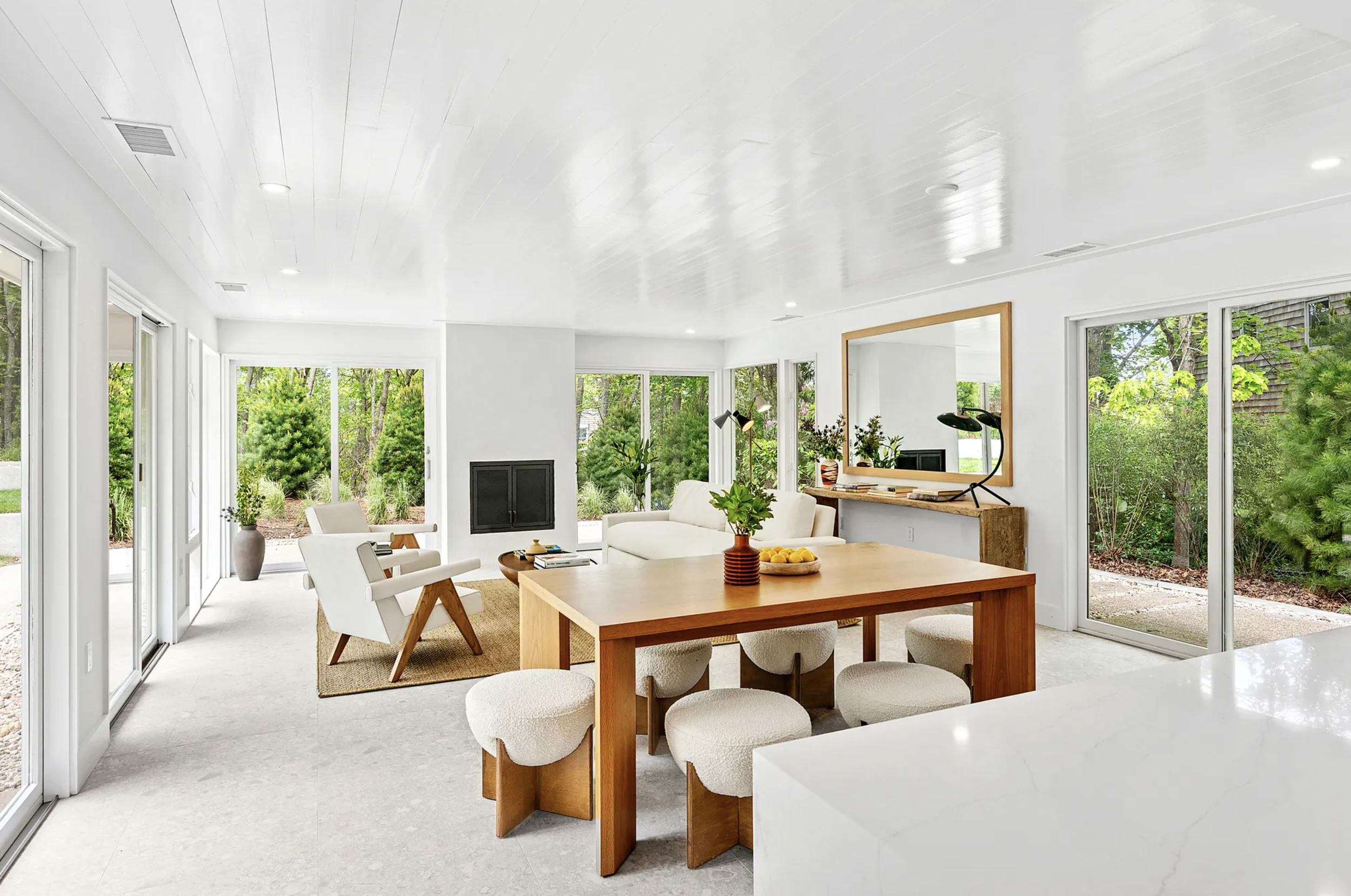
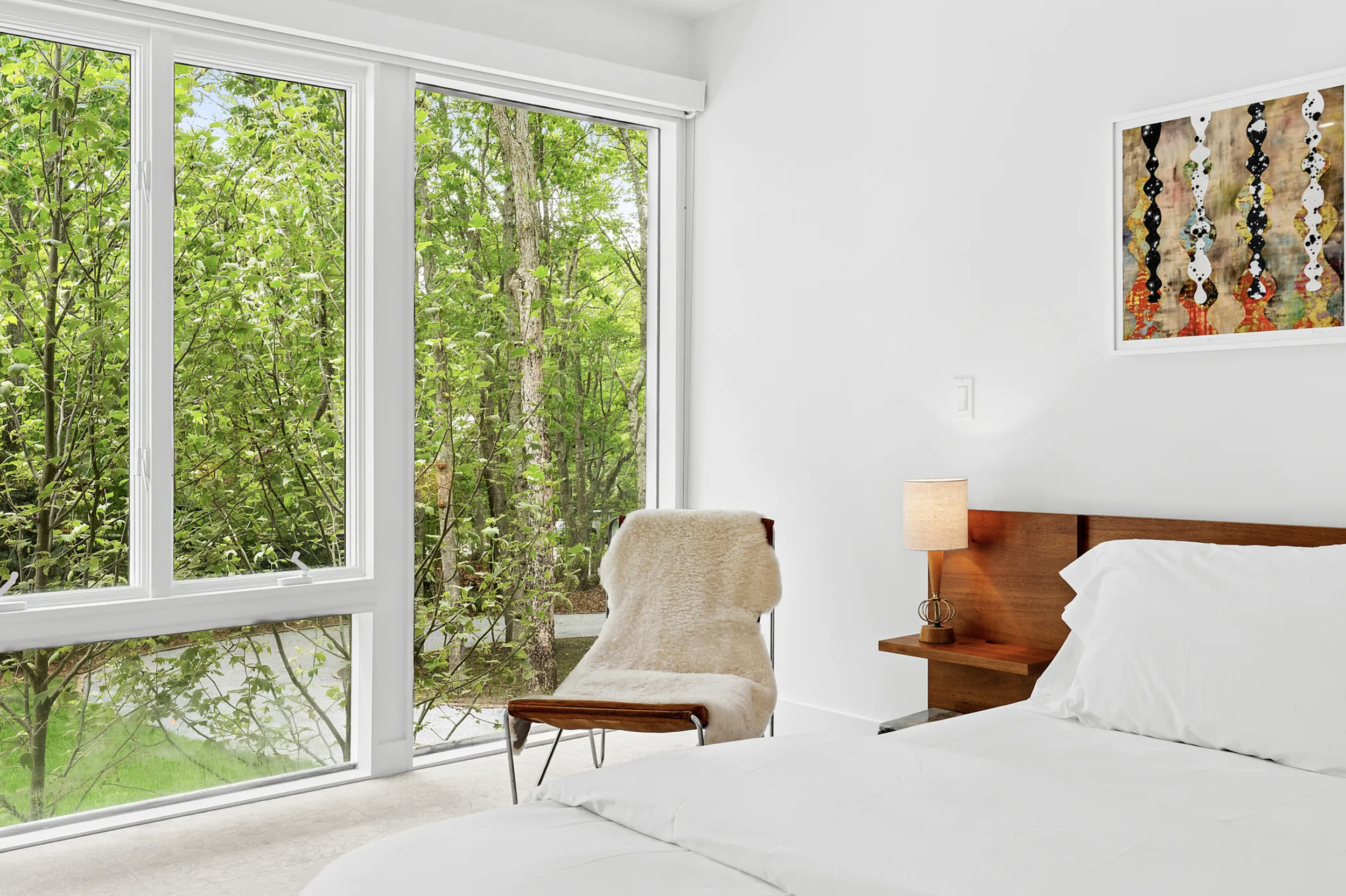
Rather than compartmentalizing the interior, spaces were arranged to allow light to travel freely. Sightlines extend through multiple rooms, creating a sense of depth and continuity without sacrificing intimacy. Windows are positioned and scaled to frame greenery and sky, drawing the exterior inward in a way that feels effortless rather than performative.
This approach mirrors a restrained, modern design philosophy—where editing and clarity allow the environment to lead. Light becomes the unifying element, shaping the character of the home more powerfully than any decorative feature. This approach reflects a similarly restrained, modern design sensibility seen in Bearing East Road, where simplicity and edited layouts allow light and proportion to lead.Renovation Insight
When planning a renovation in a light-rich setting:
Treat daylight as a material that needs room to move.
Avoid over-partitioning spaces that could benefit from shared light.
Consider how light changes throughout the day, not just at peak hours.
Choose finishes that respond softly to light rather than reflecting it harshly.
Interior Strategy: Openness Without Exposure
While openness was a guiding principle, it was never pursued at the expense of comfort. At Island View Drive, spaces were opened where appropriate, creating visual connections while maintaining a sense of enclosure and ease.
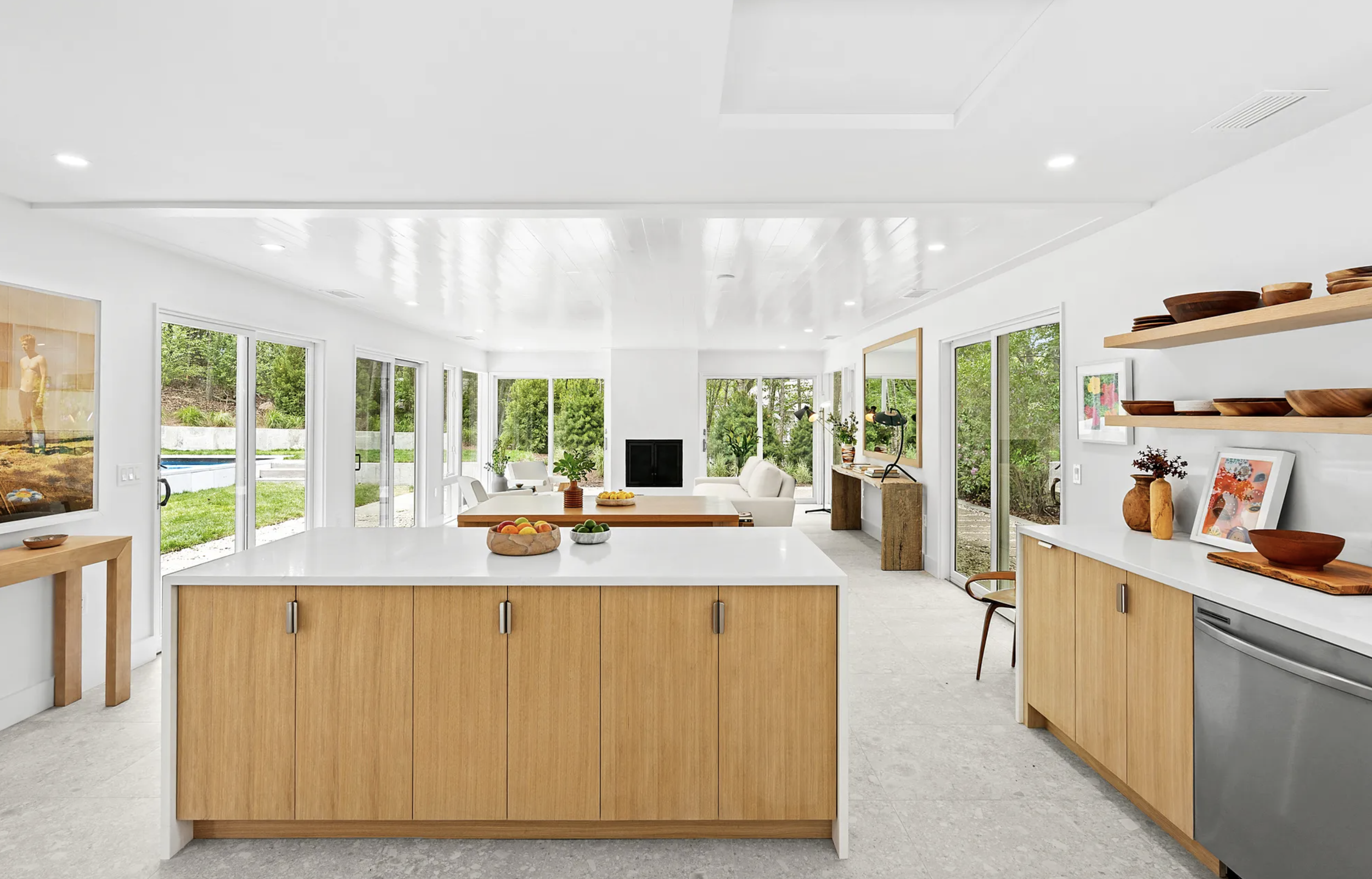
Living, dining, and kitchen areas flow naturally into one another, yet each zone retains its own identity. Furniture placement plays a critical role here, defining spaces without relying on walls. The result is an interior that feels expansive without becoming undefined.
The palette remains soft and restrained—light neutrals, warm woods, and subtle textures—allowing light to move freely through the home. Rather than relying on contrast, the design emphasizes continuity and calm.
This strategy closely aligns with Alewive Brook Road, a project shaped by light and openness, where atmosphere is created through space rather than ornament.Renovation Insight
For homeowners considering open-plan living:
Use furniture and rugs to establish zones.
Maintain variation in ceiling height or lighting to define areas subtly.
Resist the urge to make every space visible at once.
Balance openness with moments of privacy and retreat.
Materials That Respond to Light
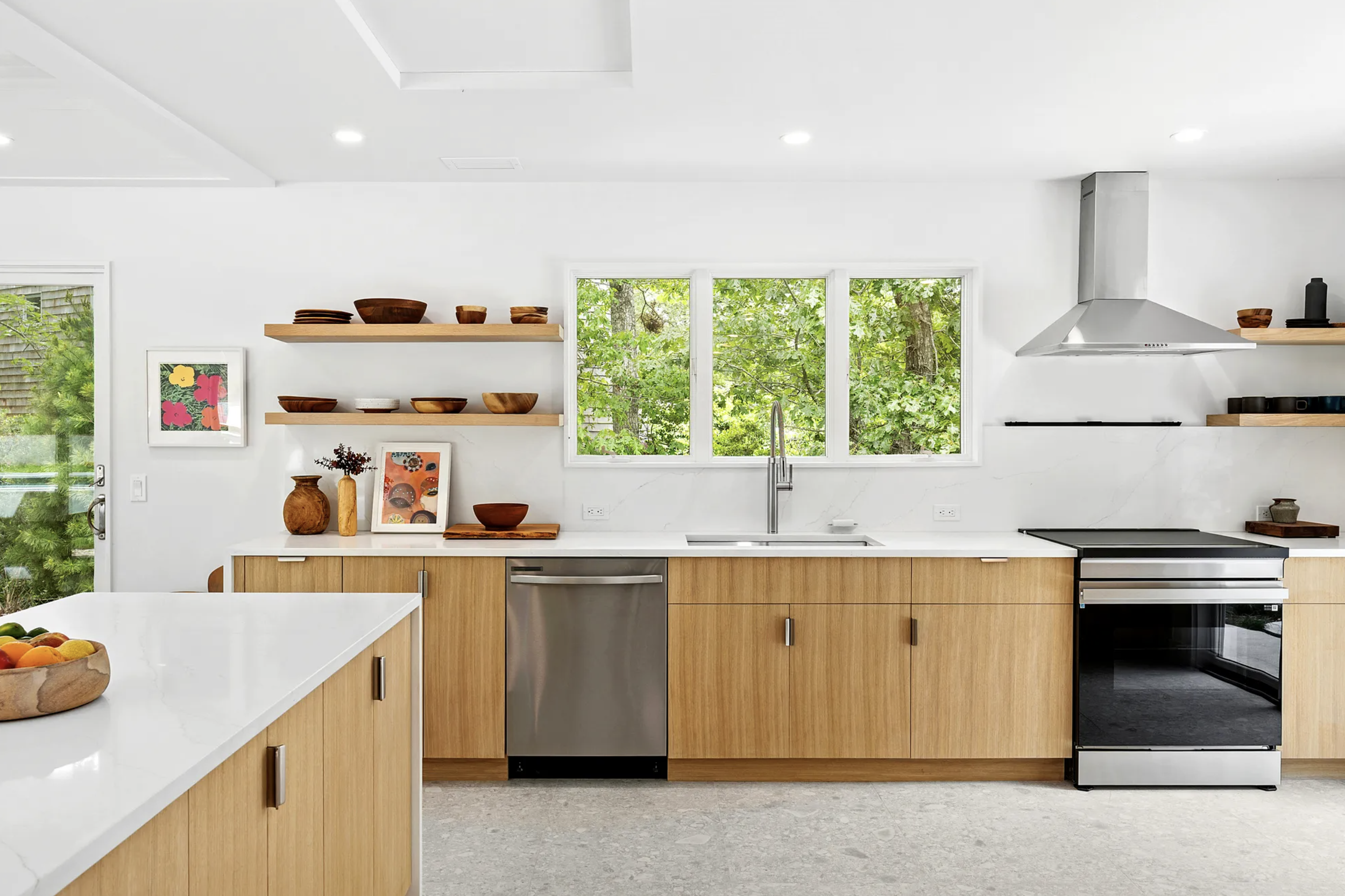
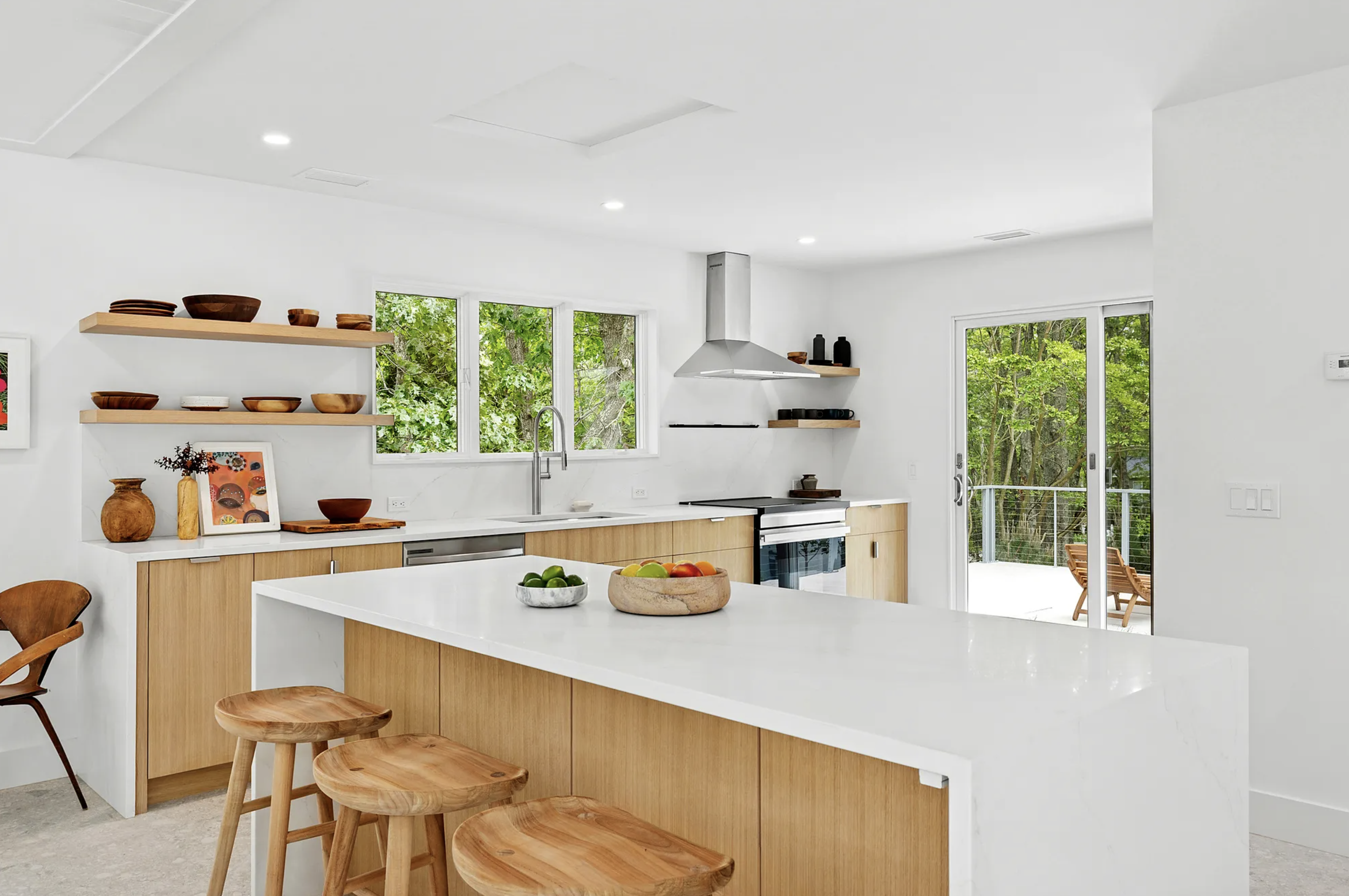
Material selection at Island View Drive was guided by how surfaces would absorb, reflect, and soften natural light. Matte finishes, tactile textiles, and natural materials were prioritized over glossy or high-contrast options.
Wood plays a grounding role, introducing warmth and texture that counterbalances the brightness of the space. Upholstery and textiles were chosen for their ability to hold color gently, shifting in tone as light changes throughout the day.
Rather than creating focal points through bold materials, the design allows materials to work together quietly. This layered restraint ensures the home feels cohesive and timeless rather than styled to a particular moment.
Renovation Insight
When selecting materials for light-driven interiors:
Favor matte or satin finishes over high gloss.
Use texture to add depth instead of pattern.
Choose materials that age gracefully in sunlight.
Test finishes in natural light whenever possible.
Coastal Without Being Themed
One of the defining aspects of Island View Drive is its relationship to its coastal setting—without relying on literal references. Rather than leaning into expected motifs, the design embraces a quieter, more refined interpretation of coastal living.
References to place are expressed through proportion, tone, and texture rather than iconography. Soft palettes echo the surrounding landscape. Natural materials create a tactile connection to the outdoors. Views are framed deliberately, allowing greenery to act as art.
This approach avoids the visual shorthand often associated with coastal interiors, resulting in a home that feels grounded in its environment without being defined by it.
Renovation Insight
If you’re designing a home in a coastal or natural setting:
Let the landscape provide the strongest visual interest.
Avoid thematic elements that may feel dated over time.
Focus on proportion, materiality, and light.
Aim for spaces that feel connected, not referential.
Atmosphere Over Decoration
At Island View Drive, atmosphere takes precedence over decoration. The home is intentionally edited, allowing space, light, and material to define the experience rather than an accumulation of objects.
This restraint creates room for daily life to unfold naturally. Furniture choices are comfortable and scaled for use, not display. Decorative elements are limited and purposeful, adding character without distraction.
The result is an interior that feels calm and adaptable—equally suited to quiet mornings, casual gatherings, or seasonal change.
Renovation Insight
For clients planning renovations:
Edit aggressively before adding.
Prioritize comfort and scale in furniture selection.
Allow negative space to contribute to the design.
Remember that atmosphere is built over time, not installed all at once.
Designing in Conversation with the Landscape
Island View Drive reinforces a core belief that guides our work: the most successful interiors are those designed in conversation with their environment. When light and landscape are allowed to lead, design decisions become clearer—and spaces feel more intuitive to inhabit.
This home demonstrates how a restrained approach can result in interiors that feel open yet grounded, refined yet welcoming.
Island View Drive shows how a home can feel deeply connected to its setting while remaining calm, livable, and timeless. Through thoughtful layout, material restraint, and an emphasis on light, the interior becomes a natural extension of the landscape around it.
Key Takeaways for Light-Driven Renovations
If you’re planning a renovation where light and setting play a central role, consider the following principles:
Treat natural light as a primary design element
Design layouts that allow light to move freely
Use restraint in material palettes
Avoid literal interpretations of place
Prioritize atmosphere over decoration
Design spaces that evolve with daily life
These strategies help create interiors that feel timeless, grounded, and deeply connected to their surroundings.
If you’re planning a renovation or furnishing project, discuss a Hamptons interior design project with Domicile & Co.
Explore more of our residential work and the thinking behind it in our Design Stories.
Related Projects
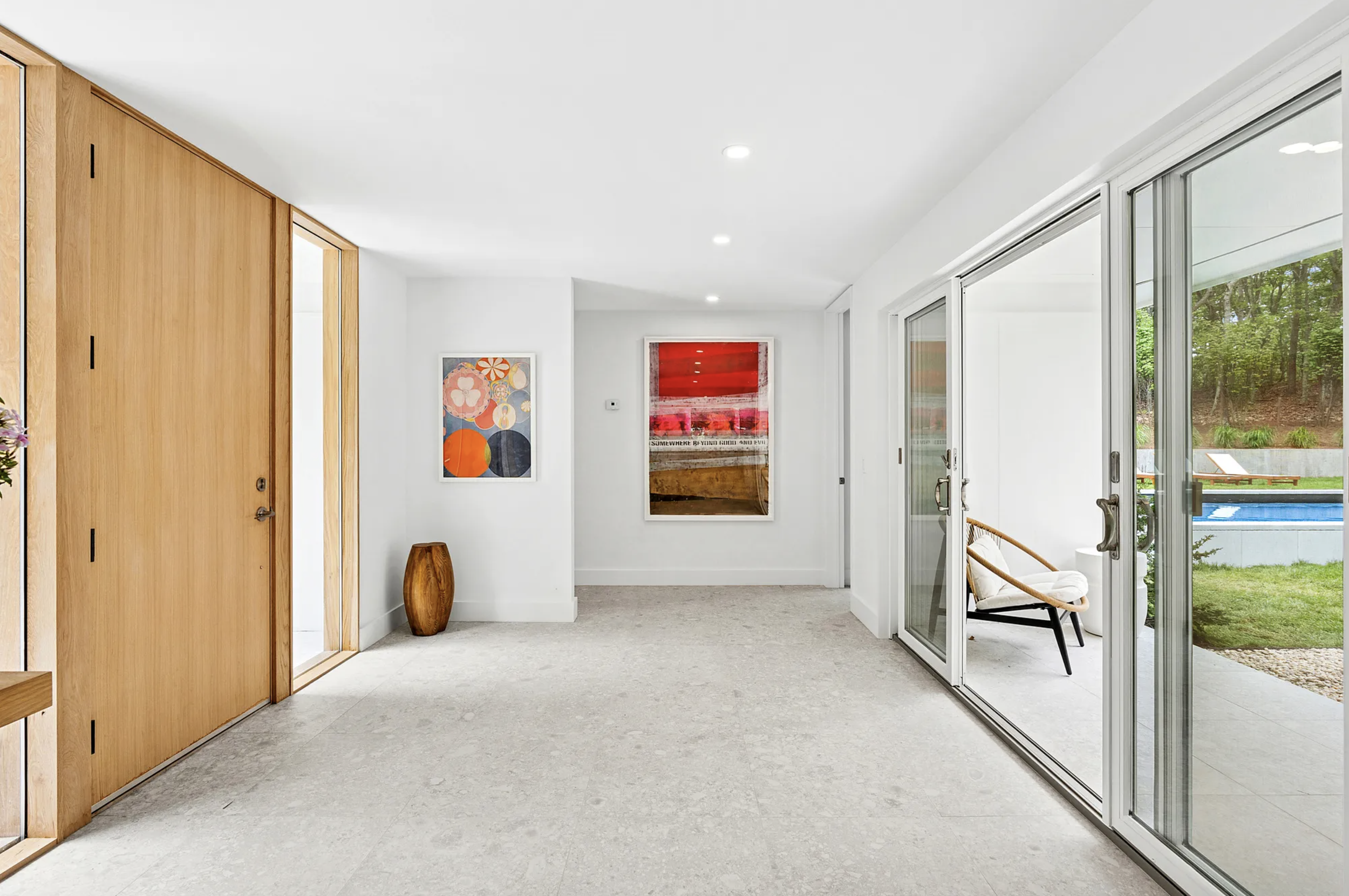
Bearing East Road
A modern Hamptons home rooted in simplicity and restraint.
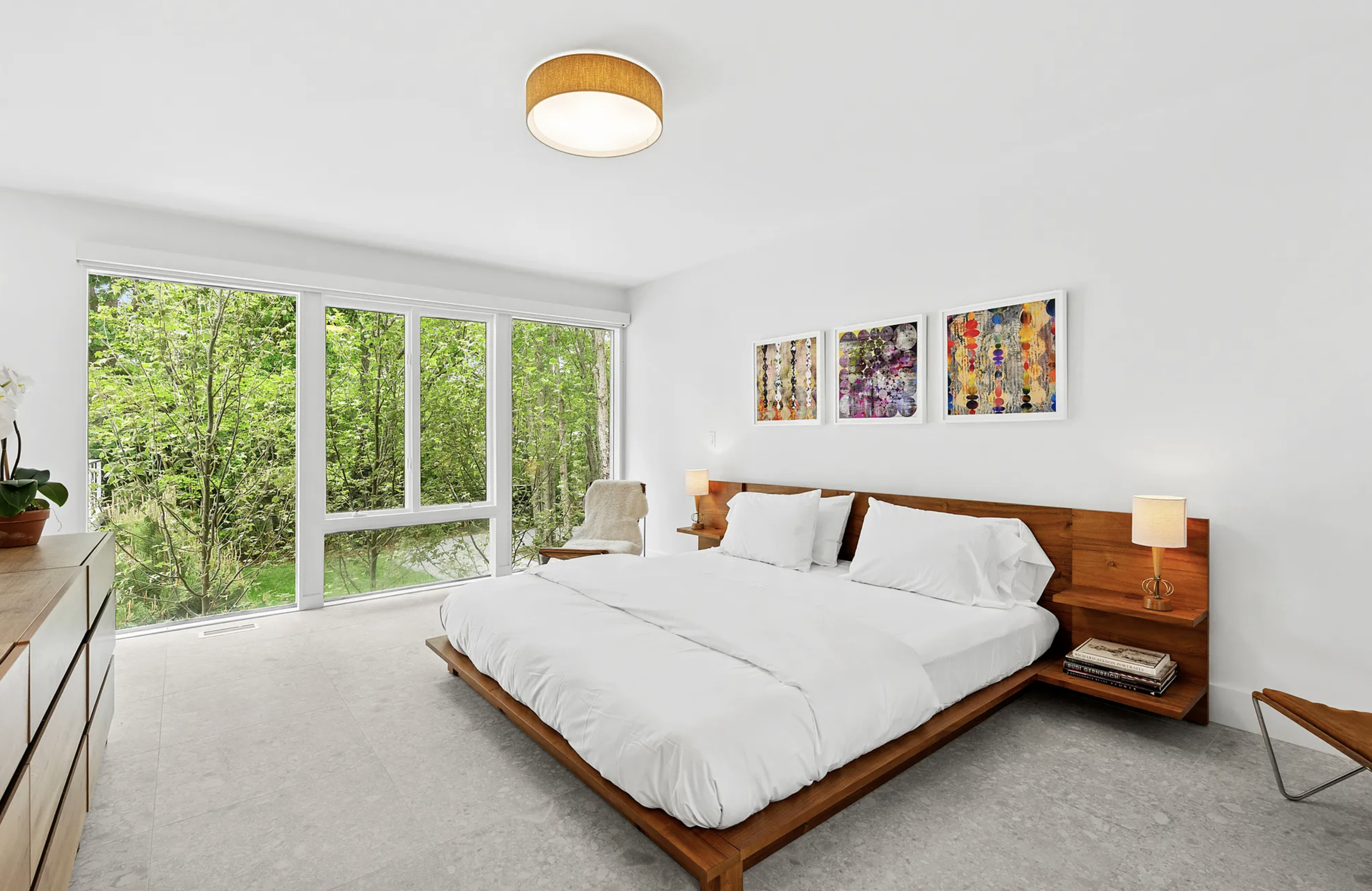
Alewive Brook Road
An interior shaped by light, openness, and a quiet material palette.