Urban Interior Design with a Residential Sensibility
West 28th Street required a deliberate shift in approach. While our work is rooted in residential interior design—homes shaped by comfort, longevity, and everyday use—this project demanded sensitivity to an urban context without sacrificing warmth or livability.
Designing in the city presents a different set of constraints. Space is often tighter, light behaves differently, and the surrounding environment is more visually and acoustically active. Yet the objective remains the same: to create interiors that feel calm, grounded, and deeply personal.
At West 28th Street, the challenge was not to impose a new identity on the space, but to refine it—to bring a residential sensibility into a denser, more dynamic setting while respecting the realities of urban living.
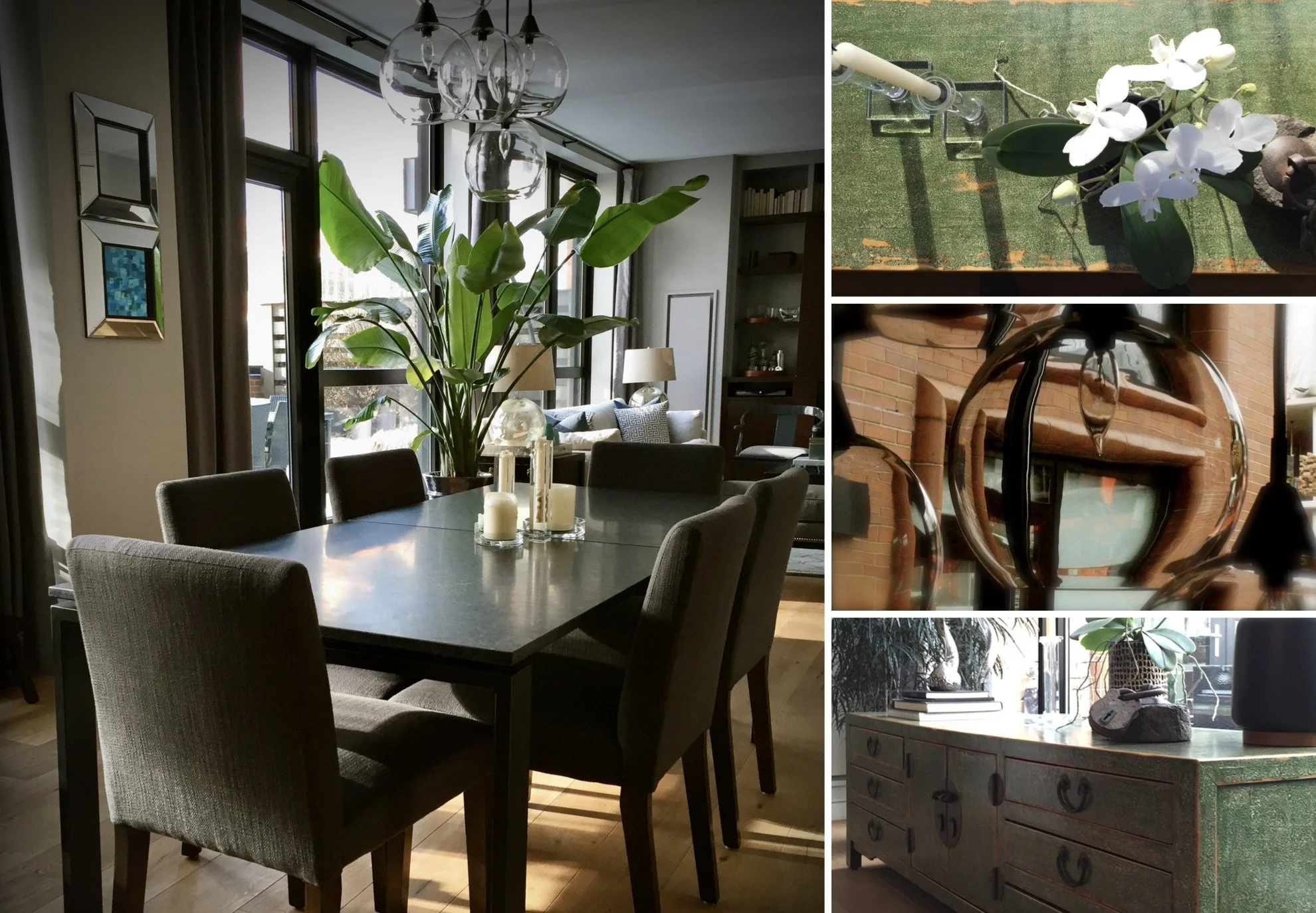
Translating Residential Design to the City
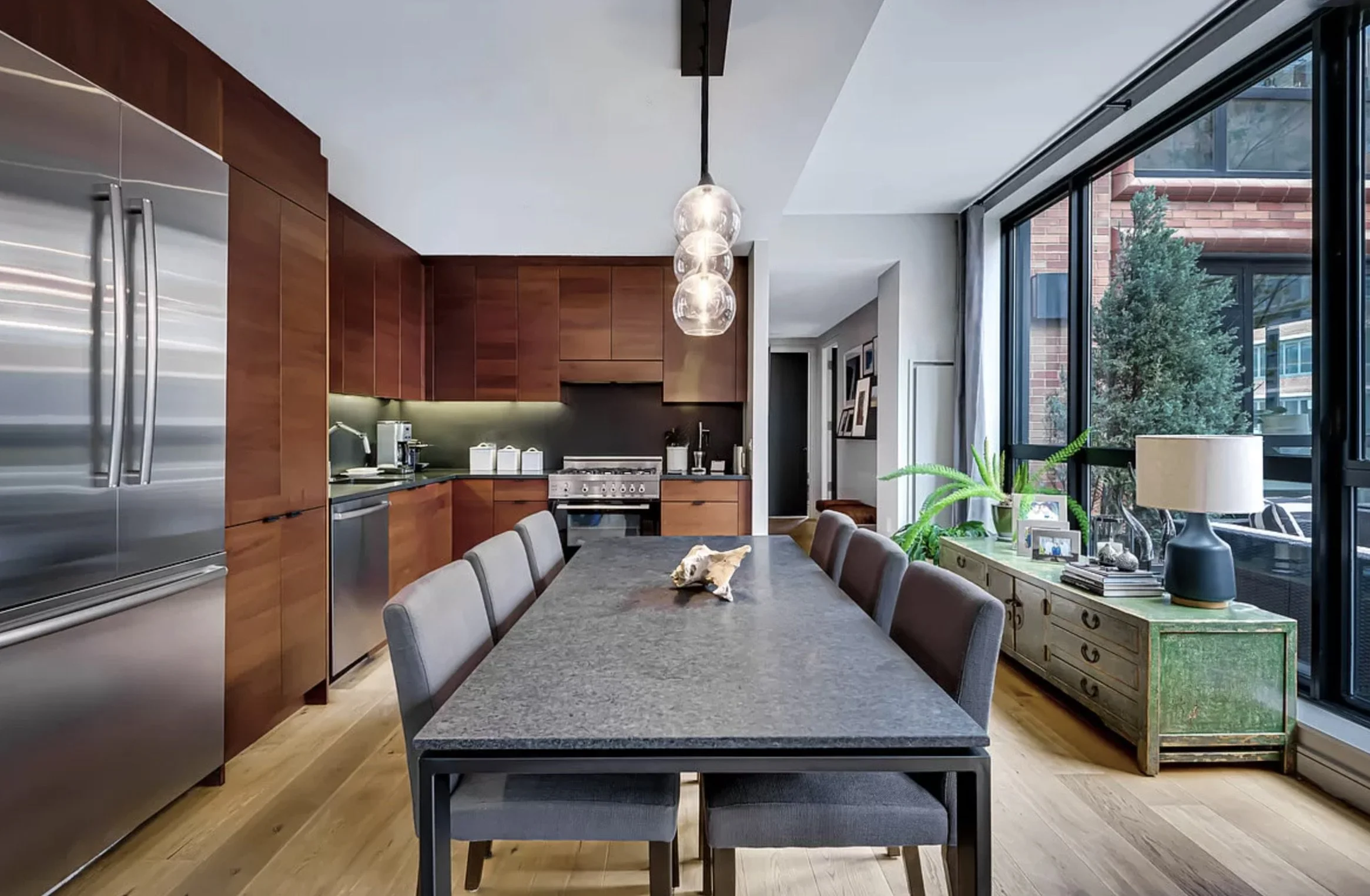
Our residential projects often begin with a simple question: How should this space feel to live in over time? That question doesn’t change in an urban setting—but the answer does.
In the city, the pace outside the home is faster. Noise, visual stimulation, and density are part of daily life. Interiors therefore need to do more than look composed; they need to absorb, quiet, and balance their surroundings.
At West 28th Street, we approached the interior as a counterpoint to the city beyond the windows. Rather than blocking out the urban context entirely, the design softens it—creating an environment that feels restorative without becoming detached or insular.
This philosophy is consistent with our broader residential work, including projects like Masthead Lane, where restraint and proportion are used to create calm rather than visual excess. The difference here lies in how those principles are adapted to a more compact, vertical, and visually dense environment.
Renovation Insight
If you’re considering an urban renovation, one of the most effective strategies is to design the interior as a response to its surroundings. Busy neighborhoods benefit from quieter material palettes and edited layouts, while calmer streets can support slightly more visual complexity. The goal is balance, not uniformity.
Layout & Atmosphere: Designing for Flow in a Dense Context
Urban interiors often struggle with one of two extremes: they can feel overly compartmentalized, or they can feel too open and exposed. At West 28th Street, the layout was refined to strike a careful balance between openness and enclosure.
The living area was designed to feel human-scaled, even within an open plan. Seating is oriented inward, reinforcing the room as a place for gathering rather than circulation. Clear pathways allow movement through the space without disrupting moments of rest.
Rather than pushing furniture to the perimeter—a common instinct in city apartments—we intentionally brought pieces inward. This approach reduces visual emptiness, creates intimacy, and helps anchor the room emotionally.
These principles echo our work designing interiors around comfort and flow, such as Landfall Circle, where ease of movement and intuitive layouts support everyday living.
Renovation Insight
When planning layouts for city homes:
Avoid defaulting to fully open plans.
Use furniture to define zones rather than walls.
Prioritize conversational seating over maximizing floor area.
Design circulation paths that feel natural, not exaggerated.
Good flow is about comfort, not scale.
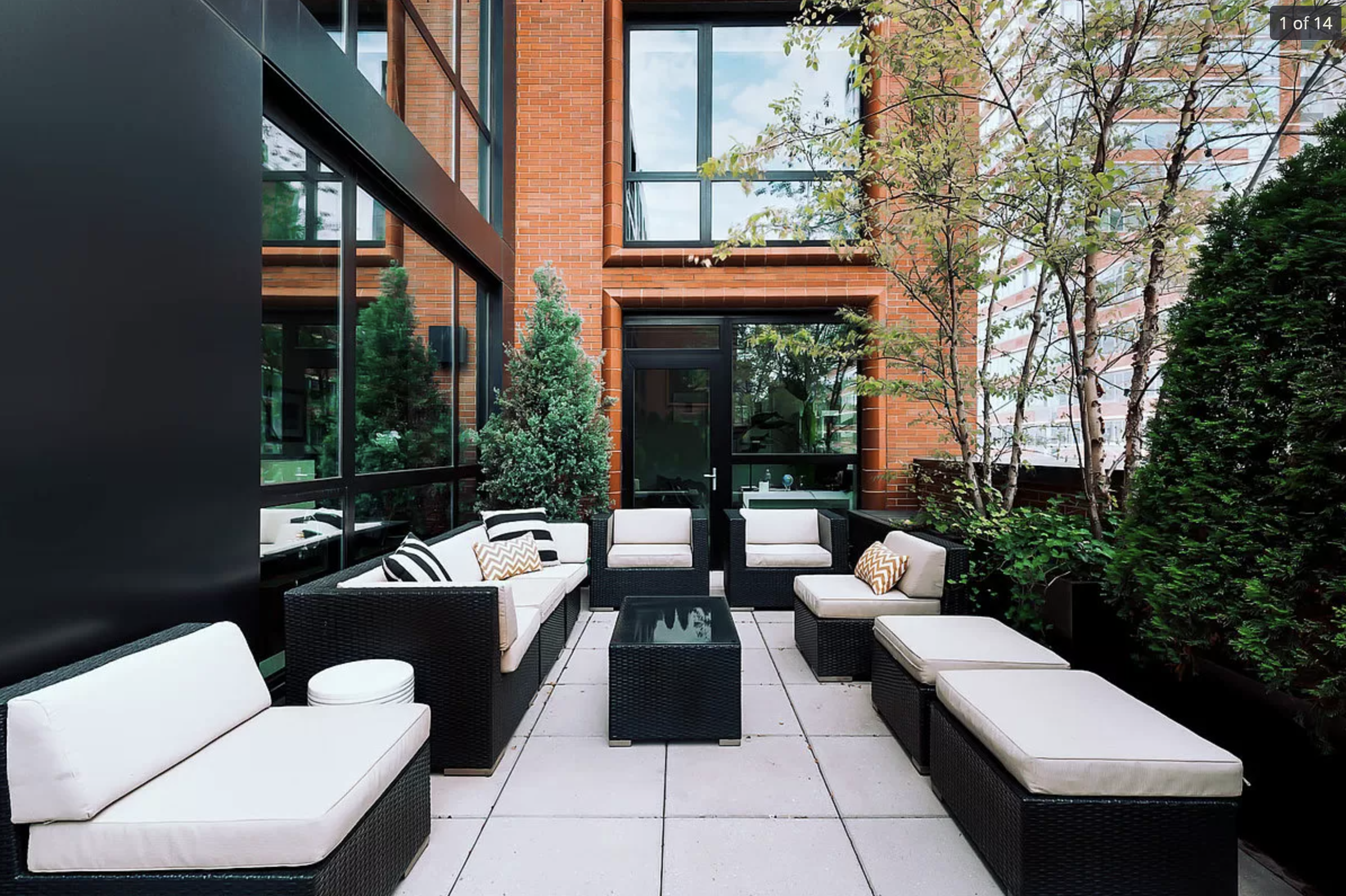
Light, Views, and Visual Balance in Urban Homes
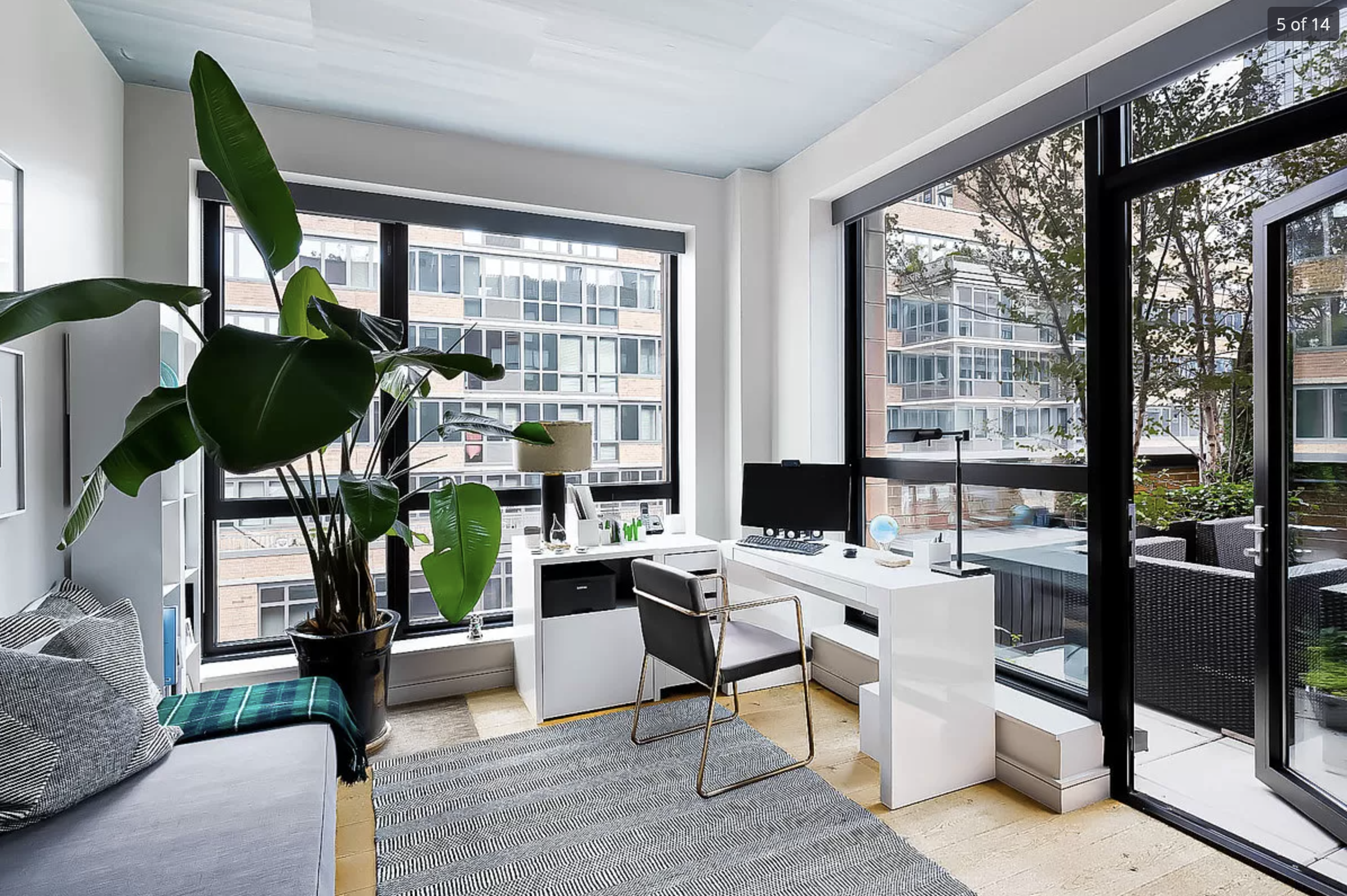
Natural light behaves differently in urban interiors. Rather than flooding in from multiple directions, it often enters from a single exposure and competes with reflections from neighboring buildings.
At West 28th Street, light was treated as a design material rather than a given. Window treatments were kept minimal to preserve daylight, while the interior palette was calibrated to reflect light softly without becoming stark.
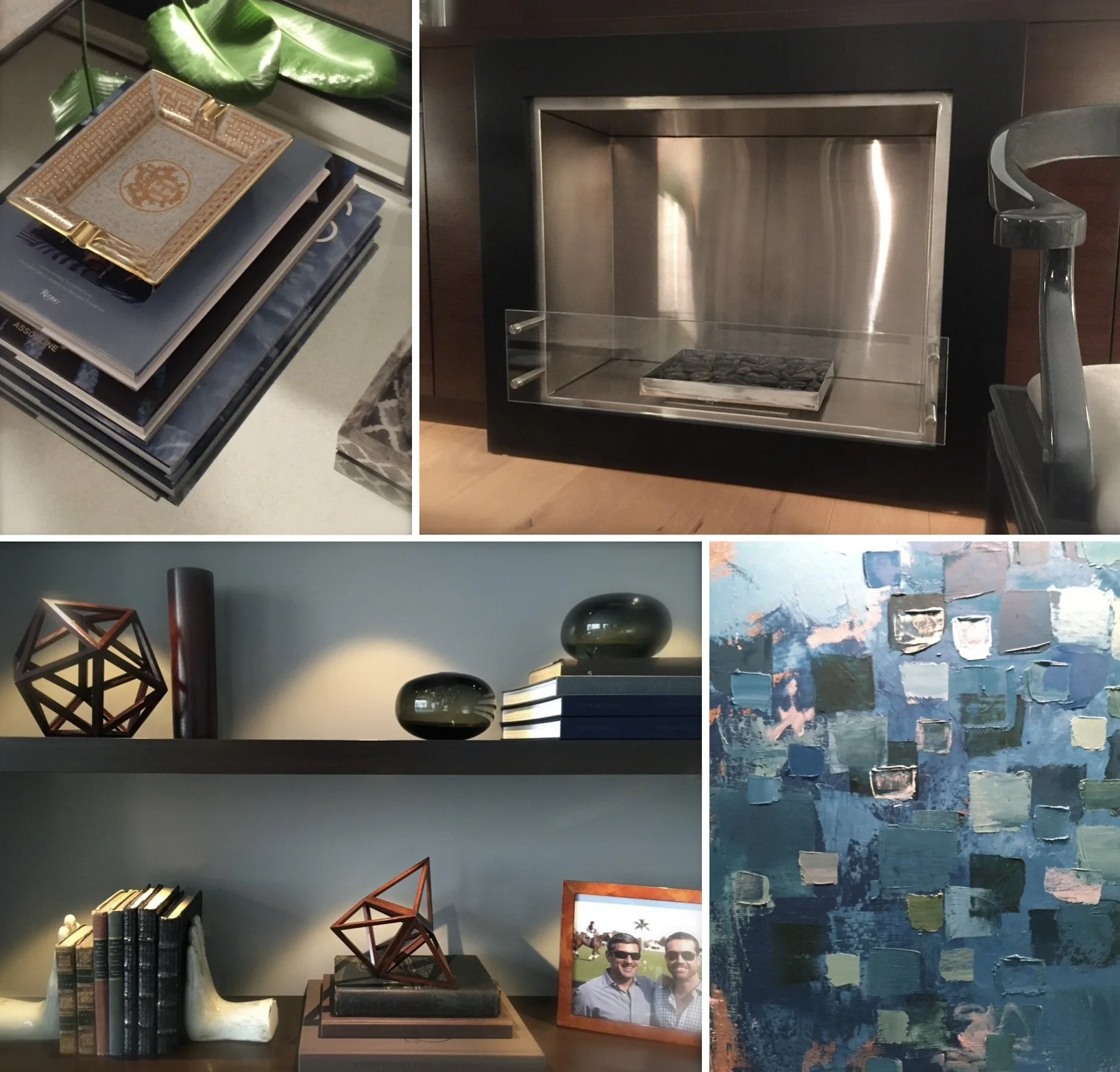
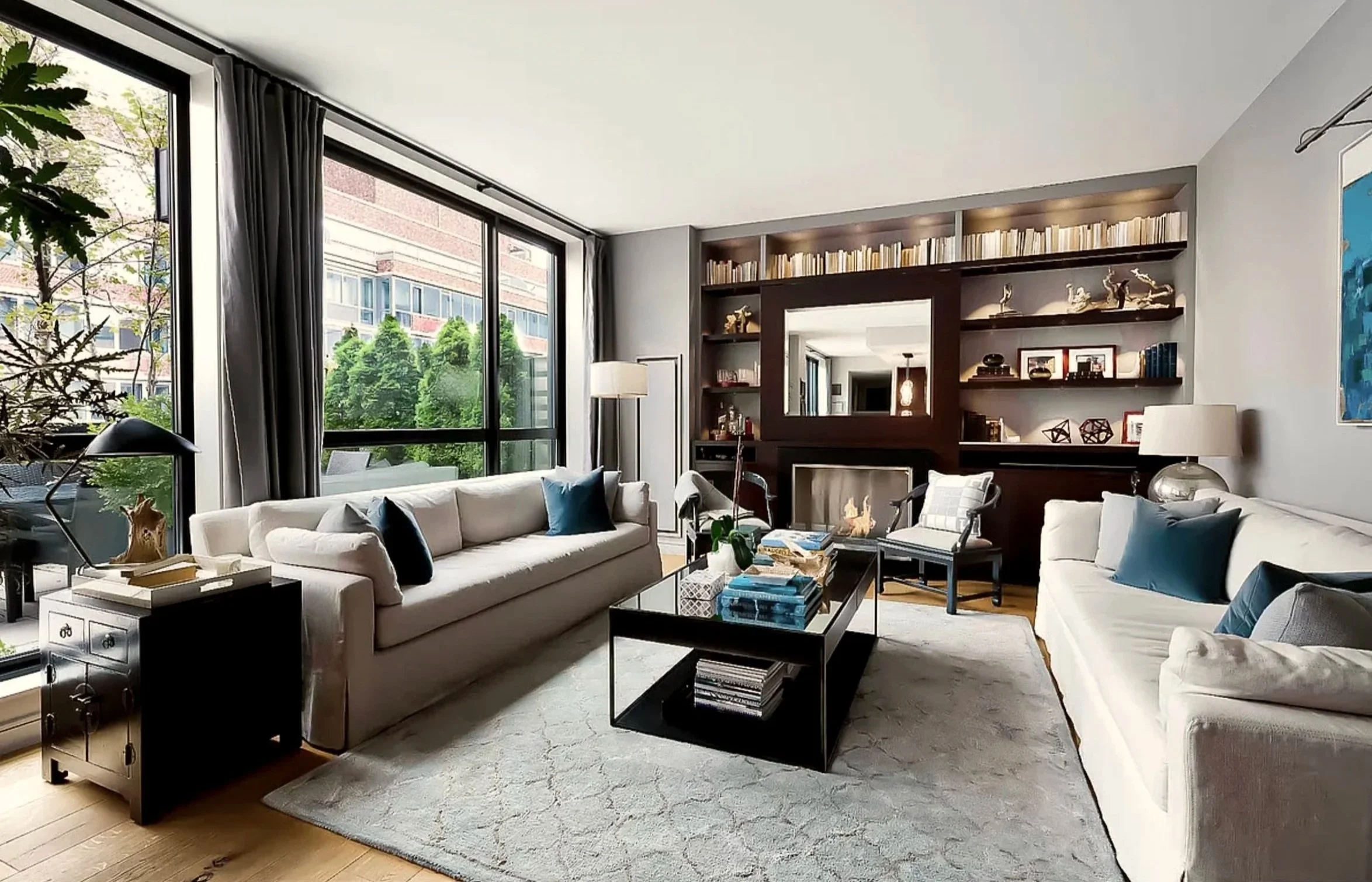
Neutral upholstery and light wall tones help distribute daylight across the room, while darker architectural elements—such as shelving and millwork—provide visual grounding. This balance prevents the space from feeling either washed out or overly heavy.
Artwork and shelving were placed deliberately, allowing negative space to play an active role. Not every wall is fully activated; moments of restraint allow the room to breathe.
Renovation Insight
For city homes with limited natural light:
Favor lighter, matte finishes over glossy ones.
Introduce contrast gradually to avoid fragmenting light.
Allow negative space to rest the eye.
Use reflective surfaces selectively, not universally.
Materials & Detail: Softening the Urban Environment
Material selection plays a crucial role in bridging the gap between urban structure and residential comfort. At West 28th Street, the palette was intentionally restrained, allowing texture and craftsmanship to lead rather than color or pattern.
Warm wood tones soften the architectural framework, while upholstered furniture introduces tactility and comfort. Metal elements are used sparingly, acknowledging the urban context without dominating it.
What defines the space is not any single material, but the relationship between materials. Smooth and textured surfaces are layered thoughtfully. Nothing feels precious, yet everything feels considered.
This approach mirrors our philosophy across residential projects: fewer materials, chosen well, will always outperform a complex palette applied without restraint.
Renovation Insight
When selecting materials for an urban renovation:
Choose finishes that age gracefully.
Prioritize durability alongside aesthetics.
Layer texture rather than pattern for depth.
Let materials speak quietly instead of competing for attention.
Storage, Shelving, and Everyday Function
Urban interiors demand thoughtful storage solutions. Square footage is often limited, and clutter can quickly undermine even the most carefully designed space.
At West 28th Street, shelving was integrated into the architecture rather than treated as an add-on. Open shelving allows for curated expression, while closed storage provides visual calm and functional relief.
The balance between open and closed storage is key. Too much openness creates noise; too much enclosure feels heavy. Here, storage contributes to the rhythm of the room rather than interrupting it.
Renovation Insight
When planning storage:
Combine open and closed elements.
Design storage early in the renovation process.
Avoid filling every surface—negative space matters.
Plan for how you live now, not just how the space will photograph.
Residential Comfort Within an Urban Frame
Despite its city setting, West 28th Street remains deeply residential in spirit. Furniture proportions are generous but not oversized. Lighting is layered to support different times of day and different uses.
The space supports both social gatherings and quiet moments without needing to be reconfigured. This adaptability is central to our design philosophy: interiors should work quietly in the background of daily life.
These same principles guide our Hamptons work, including Masthead Lane, where calm, proportion, and usability shape every design decision.
Renovation Insight
For homeowners considering renovations:
Design for flexibility, not fixed scenarios.
Use lighting to change mood instead of layout.
Choose furniture that invites use, not just admiration.
Treat comfort as a design requirement, not a compromise.
Designing Beyond Location
West 28th Street reinforces a core belief that guides all of our work: great interior design transcends location. Whether a home is set among open landscapes or within the density of the city, the fundamentals remain consistent.
Design should feel intentional, support daily life quietly, and age gracefully. When these principles are applied with care, a space can offer calm and clarity—no matter what surrounds it.
West 28th Street reflects our belief that great interior design is not defined by geography, but by experience. When thoughtfully designed, a space can feel grounded, comfortable, and restorative—even in the heart of the city.
To explore collaborations or future projects, Domicile & Co. welcomes the opportunity to connect.
Explore more of our residential work and the thinking behind it in our Design Stories.
Key Takeaways for Urban Renovations
If you’re considering an interior renovation in a city setting, keep these principles in mind:
Design interiors as a counterbalance to the urban environment
Prioritize layout and flow over maximizing square footage
Treat light as a design material
Use restraint in material palettes
Balance open and closed storage
Design for how the space will be lived in over time
These principles apply regardless of scale—and often matter more when space is limited.
Related Projects
Masthead Lane
A residential interior that reflects our design sensibility beyond an urban context.
Landfall Circle
A home designed around comfort, livability, and thoughtful interior flow.