Designing a Hamptons Home Around Comfort and Flow
At Landfall Circle, the focus was comfort—not as an afterthought, but as the foundation of the design. From the outset, this home was conceived to support everyday living while maintaining a refined, cohesive aesthetic that would feel relevant over time.
Rather than pursuing bold gestures or highly stylized moments, the design centers on how the home functions day to day. Spaces are intuitive, materials feel grounded, and the overall atmosphere is relaxed without being casual. This is a home designed to be lived in fully—not managed, staged, or preserved.
Landfall Circle reflects a belief that thoughtful interior design should quietly elevate daily life, creating ease rather than friction.
A Livability-First Approach
From the earliest design discussions, the primary question was not how the home should look, but how it should work. Layout decisions were driven by function, flow, and ease, ensuring the interiors feel welcoming rather than formal.
Circulation paths were clarified so movement through the home feels natural. Rooms connect logically, without unnecessary transitions or dead zones. Each space serves a clear purpose, yet remains flexible enough to adapt to changing needs.
This project shares a similar philosophy with Settlers Landing Lane, where balancing comfort and traditional Hamptons architecture allowed livability to be protected without sacrificing character. In both cases, the goal was to respect the home’s architectural framework while refining how it supports modern life.
Renovation Insight
When planning a renovation, prioritizing livability early in the process is essential:
Design layouts around daily routines, not idealized scenarios.
Avoid over-zoning spaces that need to feel connected.
Let function guide form, not the other way around.
Remember that comfort is cumulative—it comes from many small decisions working together.
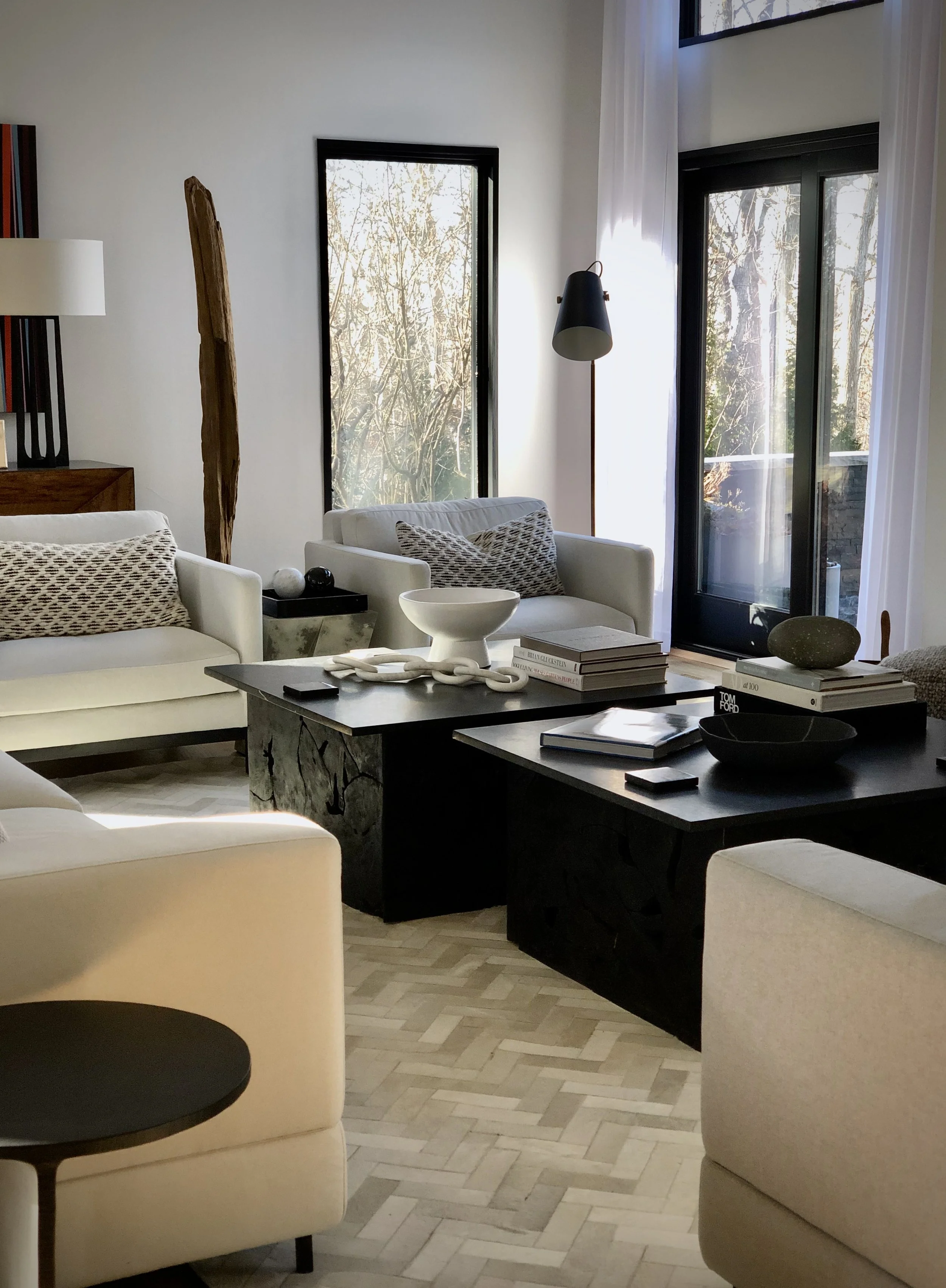
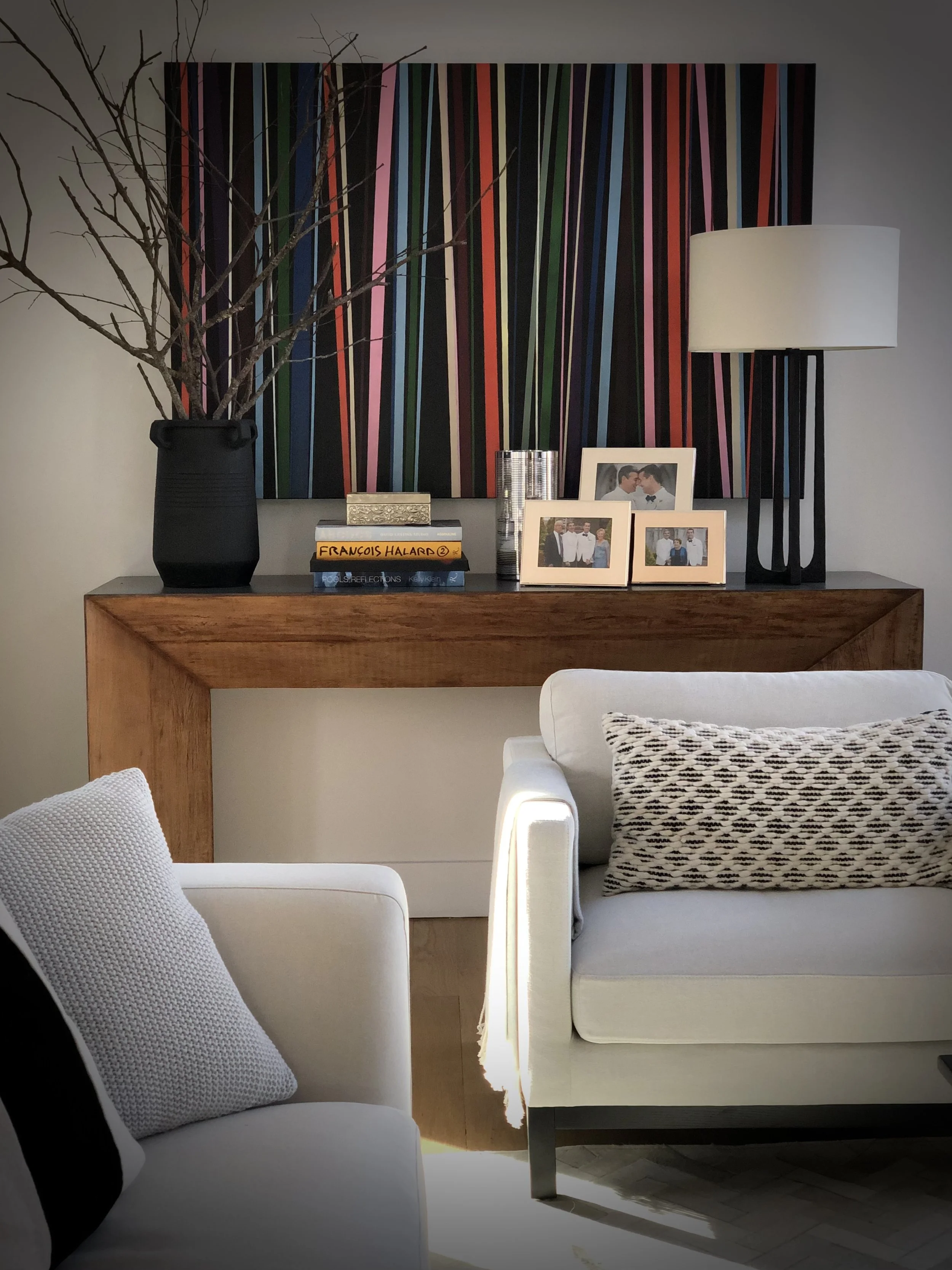
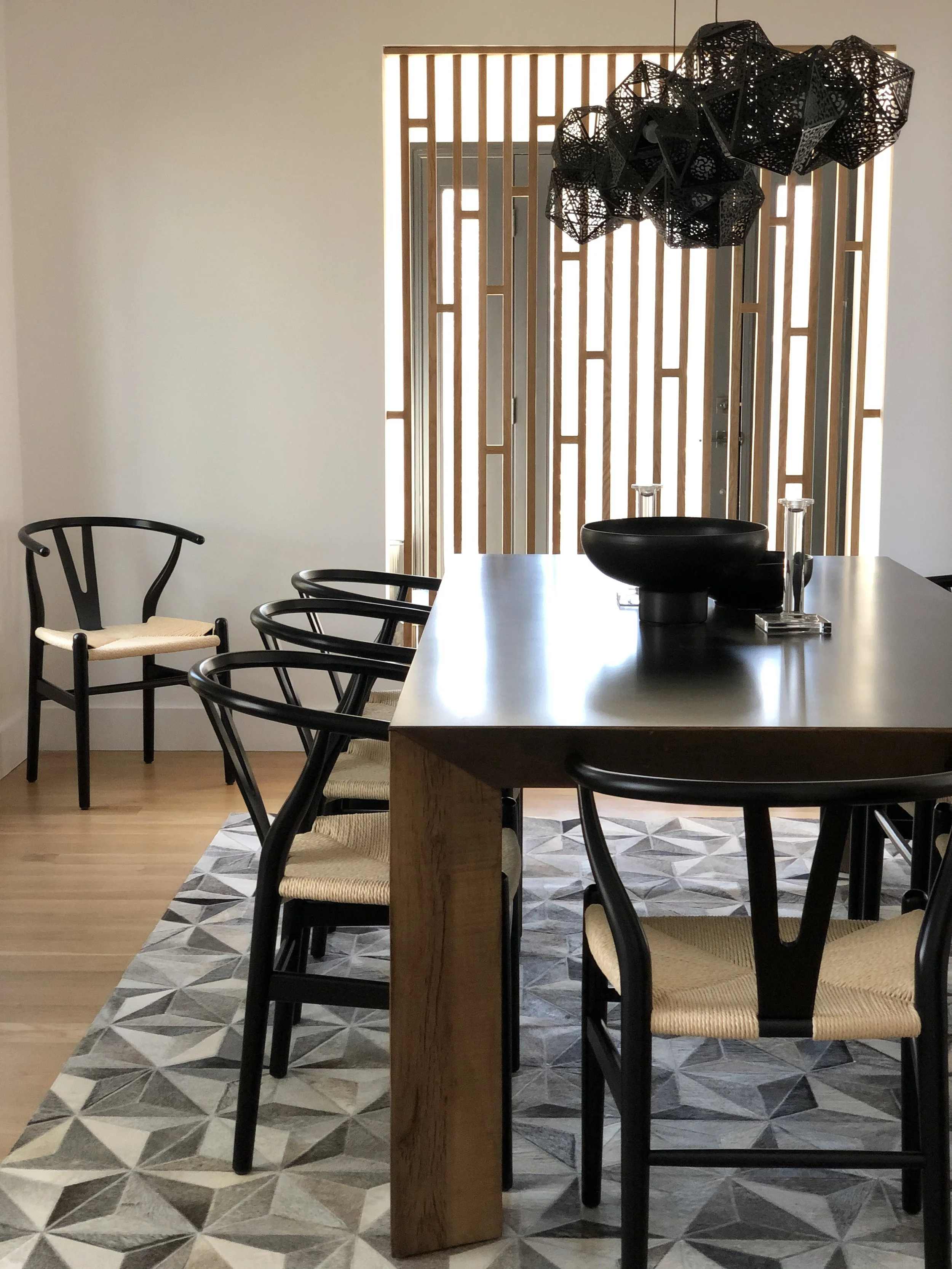
Refining the Interior Layout
The interior at Landfall Circle was carefully rebalanced to improve connectivity between rooms while preserving moments of privacy. Rather than opening everything at once, spaces were selectively adjusted to support both gathering and retreat.
Proportions were refined to avoid extremes. Rooms are generous without feeling oversized, and intimate without feeling compressed. Sightlines were improved to create visual continuity, yet each space retains its own sense of enclosure and identity.
When done well, this kind of planning becomes almost invisible—which is why thoughtful space planning and interior flow are among the most valuable parts of the design process. The home simply feels right, without calling attention to the decisions behind it.
This emphasis on proportion and flow is also evident in Masthead Lane, where careful spatial refinement allows interiors to feel composed, calm, and intuitive rather than overly designed.
Renovation Insight
For homeowners considering layout changes:
Focus on proportion as much as square footage.
Use openings and transitions to guide movement subtly.
Preserve moments of separation within open plans.
Aim for layouts that feel effortless, not impressive.
Materials That Ground the Home
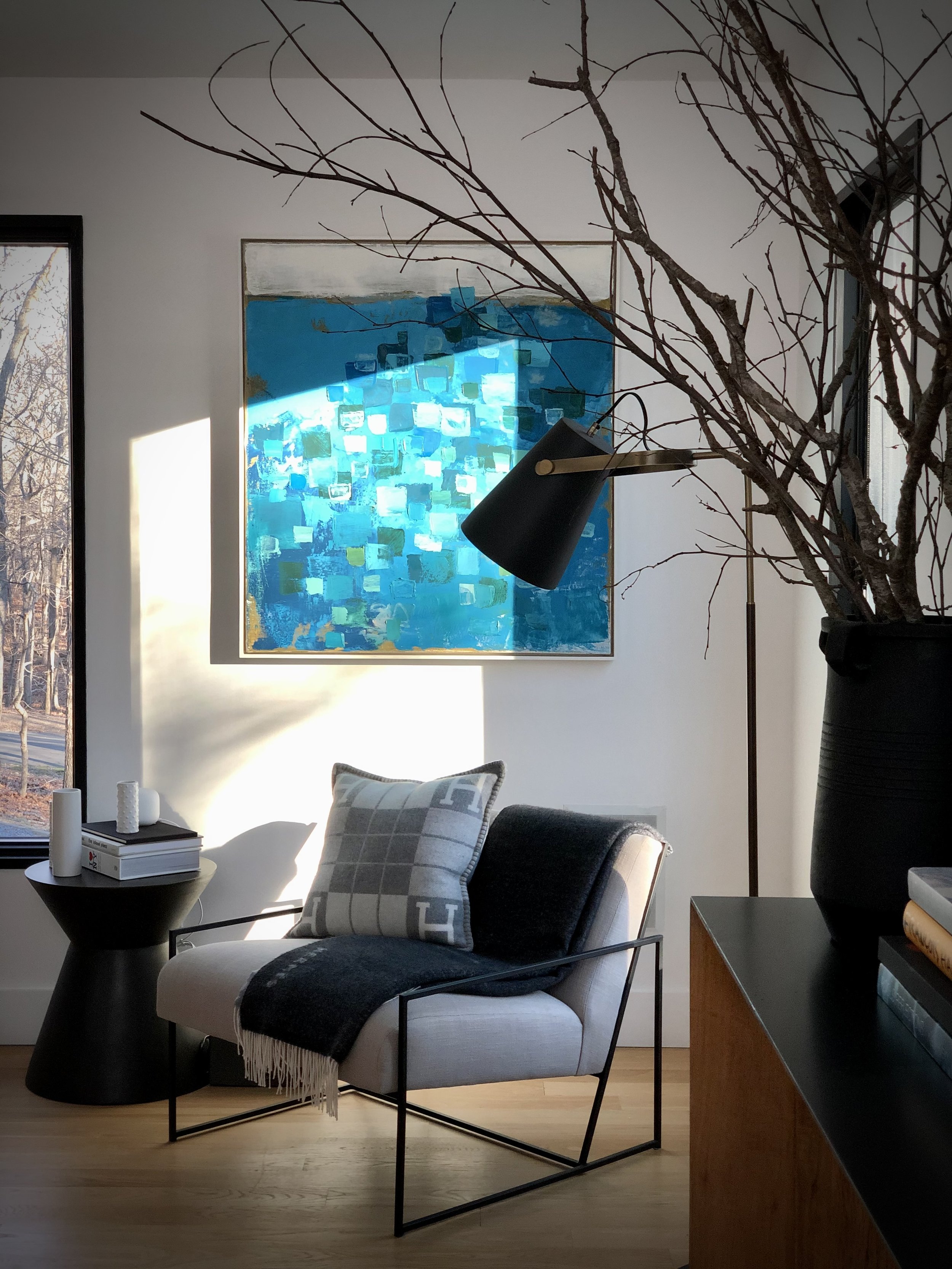
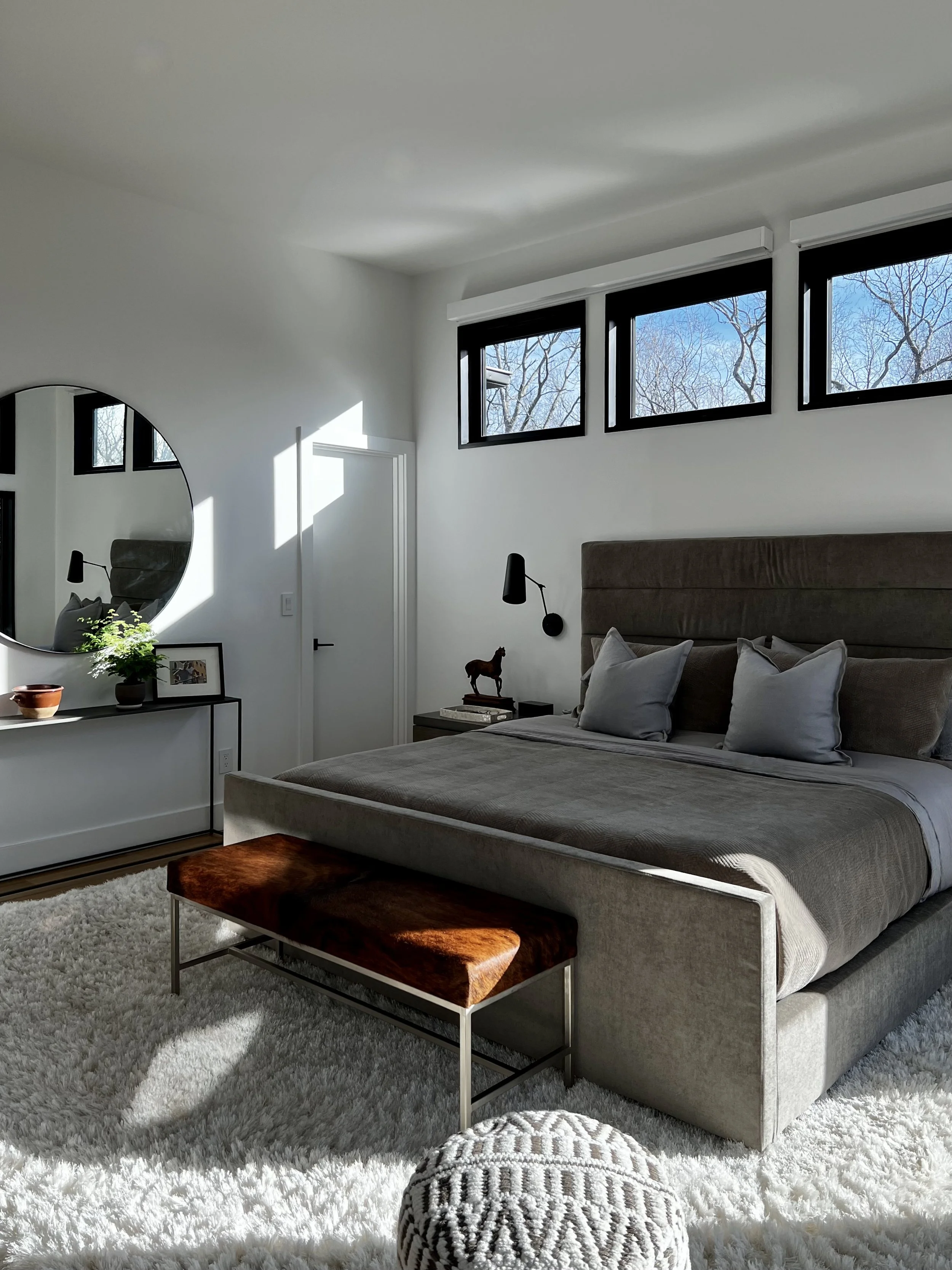
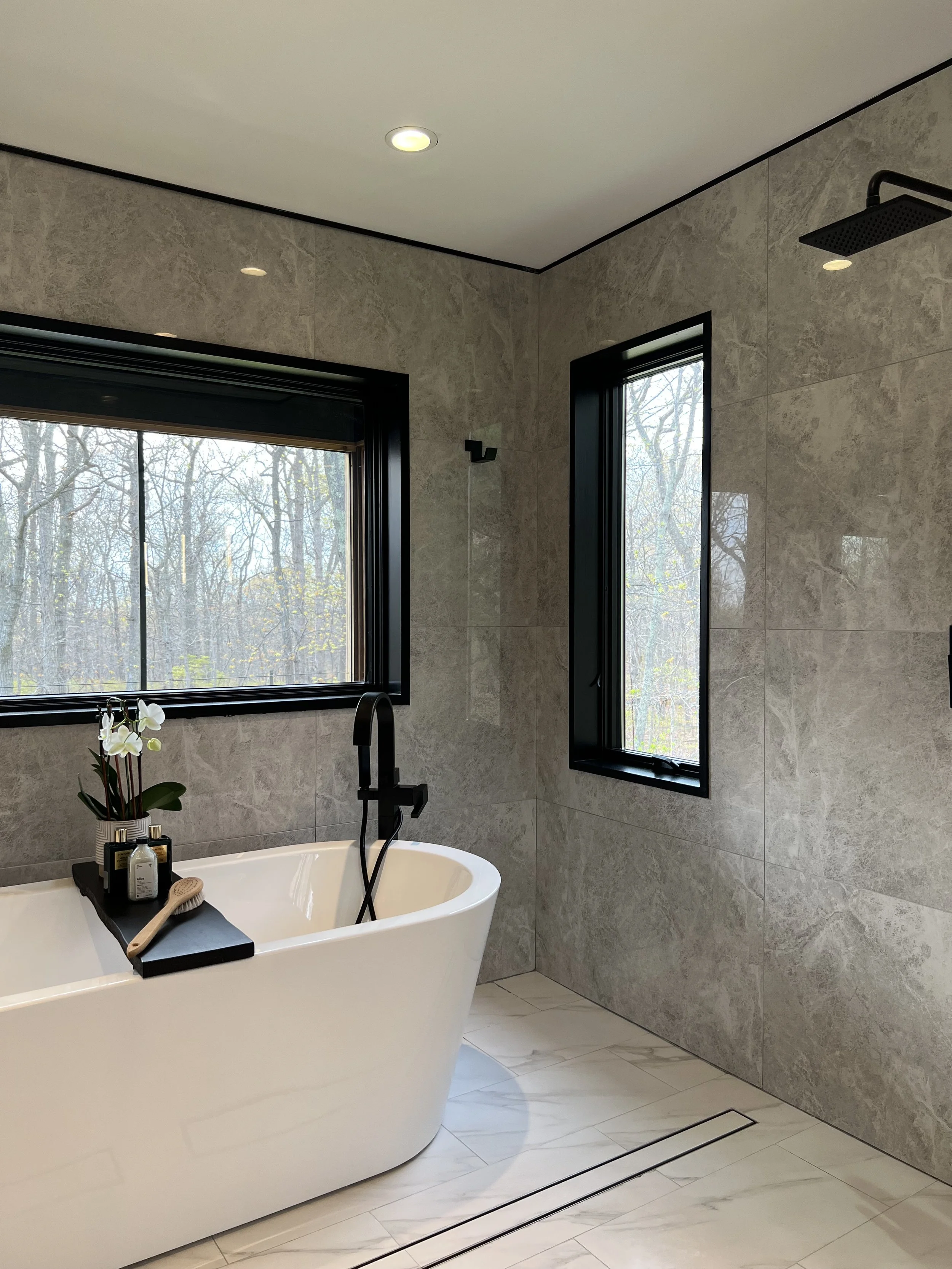
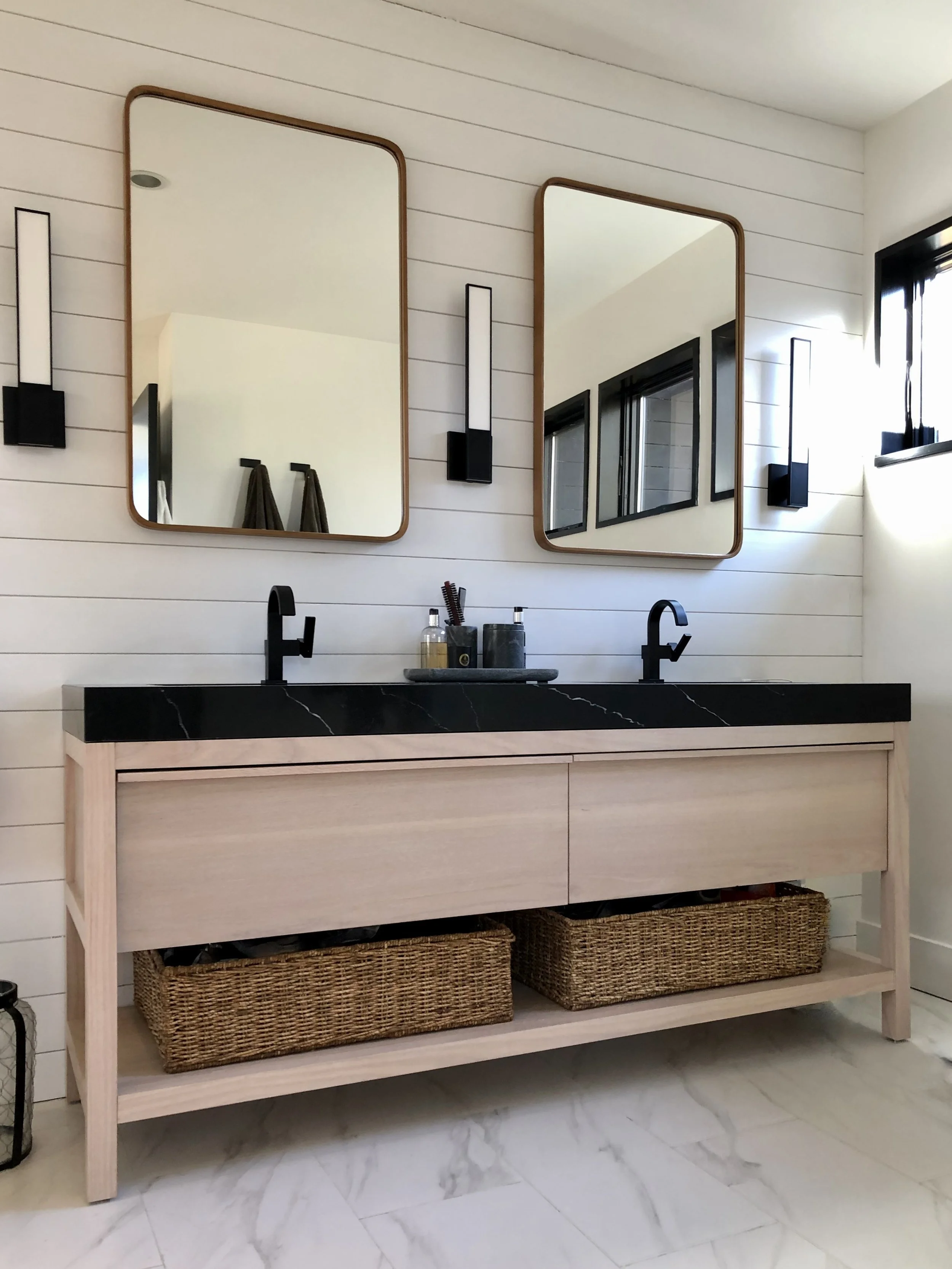
Material selections at Landfall Circle emphasize warmth, durability, and longevity. Rather than relying on contrast or decorative finishes, the palette is intentionally restrained.
Neutral tones create a calm backdrop, allowing the architecture and furnishings to take precedence. Natural materials—wood, stone, and tactile textiles—introduce warmth and depth without visual noise. Subtle textures add interest while maintaining cohesion.
These choices help the home feel grounded and lived-in, even as it remains refined. Materials were selected not only for their appearance on day one, but for how they would age and wear over time.
Renovation Insight
When choosing materials for a long-term home:
Favor finishes that improve with age.
Avoid highly delicate surfaces in high-use areas.
Use texture to create depth instead of pattern.
Consider how materials feel, not just how they look.
A Home Designed to Evolve
Landfall Circle was designed to grow with its owners. The interiors are flexible enough to accommodate change—whether that means hosting larger gatherings, quiet evenings at home, or evolving needs over time.
Rather than dictating a specific lifestyle, the design creates a framework that supports many. Furniture arrangements can shift, spaces can be repurposed, and the home adapts without losing its sense of cohesion.
This adaptability is central to the project’s success. A home that evolves naturally remains relevant far longer than one designed around a fixed moment in time.
Renovation Insight
If you want a home that lasts:
Design spaces with multiple uses in mind.
Avoid overly specialized rooms unless truly necessary.
Choose timeless foundations over trend-driven details.
Landfall Circle demonstrates how thoughtful interior design can elevate daily life without overwhelming it. Through careful planning, restrained materials, and a focus on comfort, the home supports the rhythms of everyday living with quiet confidence.
Key Takeaways for Livable Renovations
If you’re planning a renovation with long-term livability in mind, consider these principles:
Let comfort guide design decisions
Prioritize flow and intuitive layouts
Balance openness with privacy
Choose materials for durability and warmth
Design spaces to adapt over time
These fundamentals create interiors that feel calm, functional, and deeply personal.
To explore working together, learn more about our interior design process.
Explore more of our residential work and the thinking behind it in our Design Stories.
Related Projects
Settlers Landing Lane
A residence balancing traditional character with modern comfort.
Masthead Lane
A carefully considered interior defined by proportion, materiality, and flow.