Reimagining a Hamptons Home Through Thoughtful Interior Design
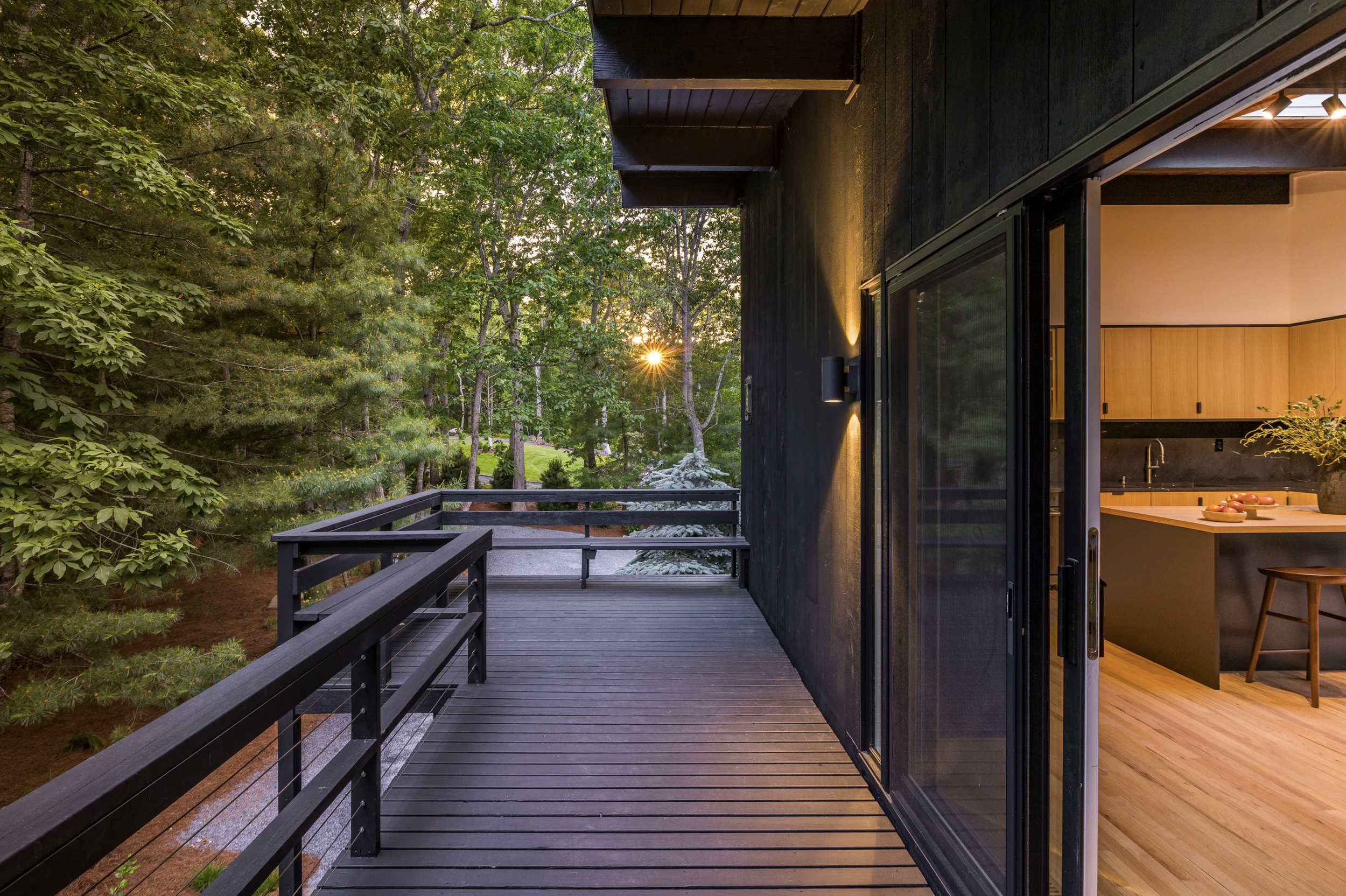
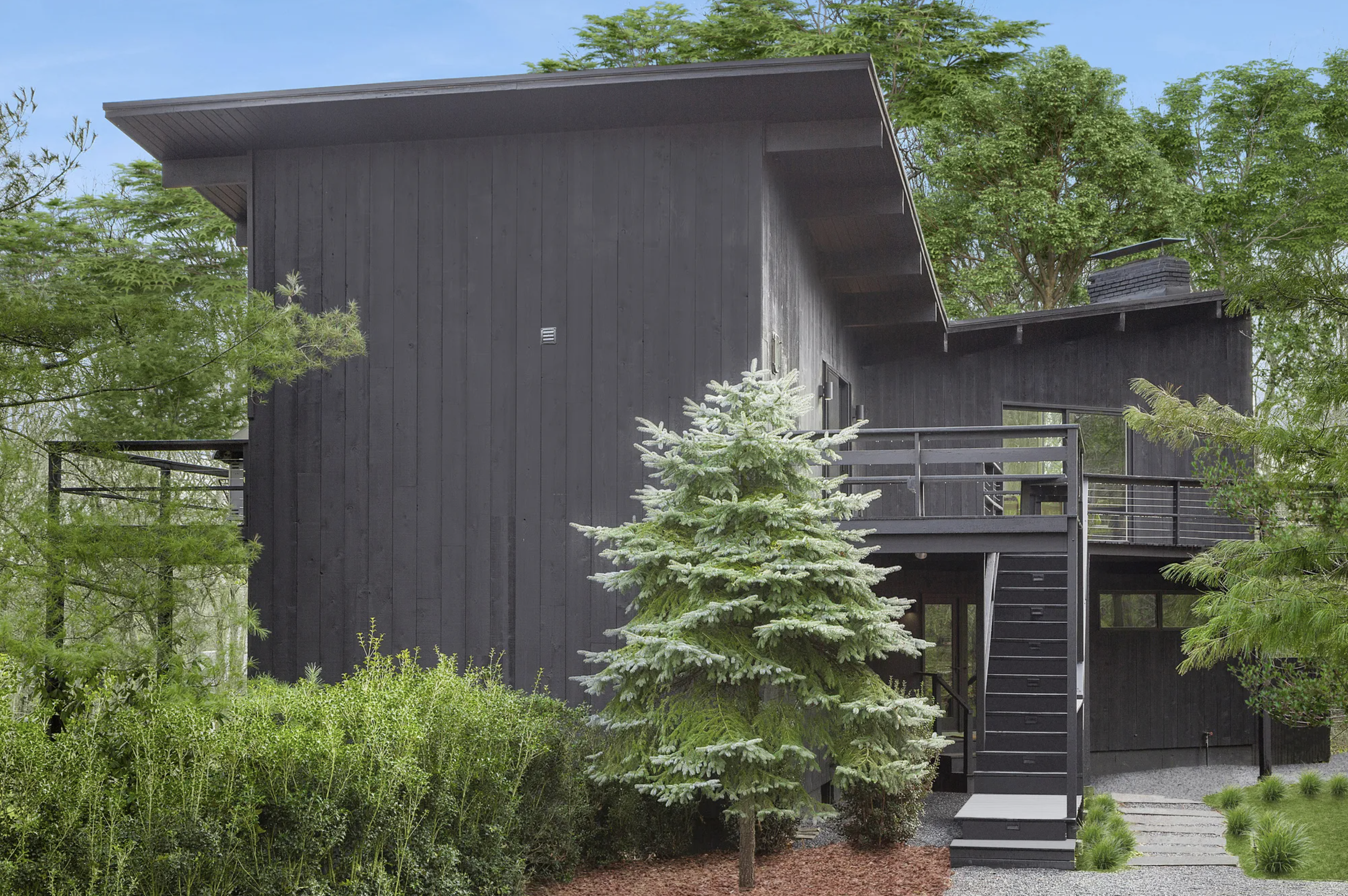
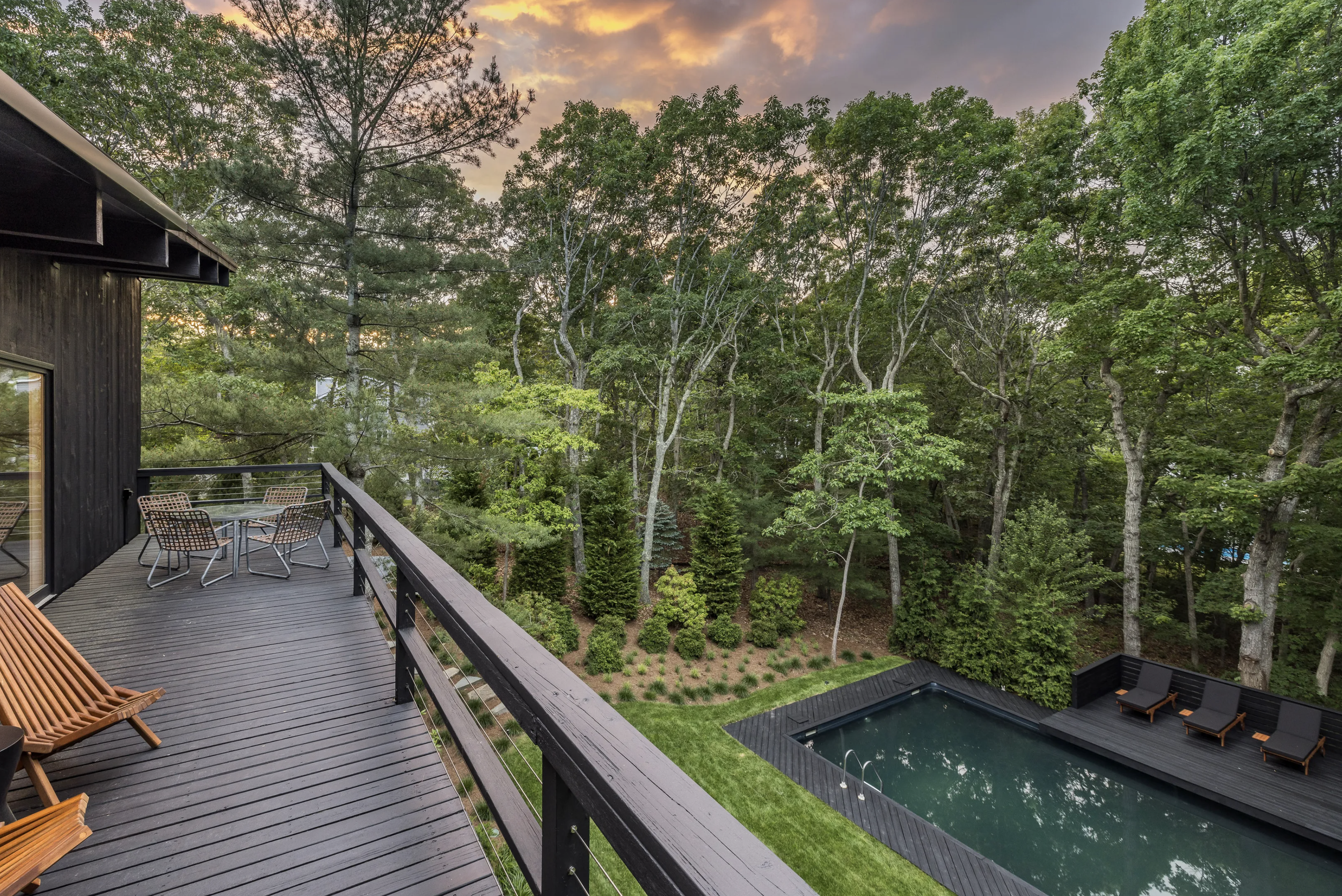
Masthead Lane offered the opportunity to rethink a Hamptons residence through the lens of clarity and purpose. Rather than chasing bold statements or overt gestures, the design focuses on proportion, materiality, and how the home is experienced day to day—respecting traditional Hamptons architecture while quietly refining the interior for contemporary living.
The result is a home that feels grounded, cohesive, and effortless. Nothing announces itself, yet every detail contributes to a calm and considered whole.
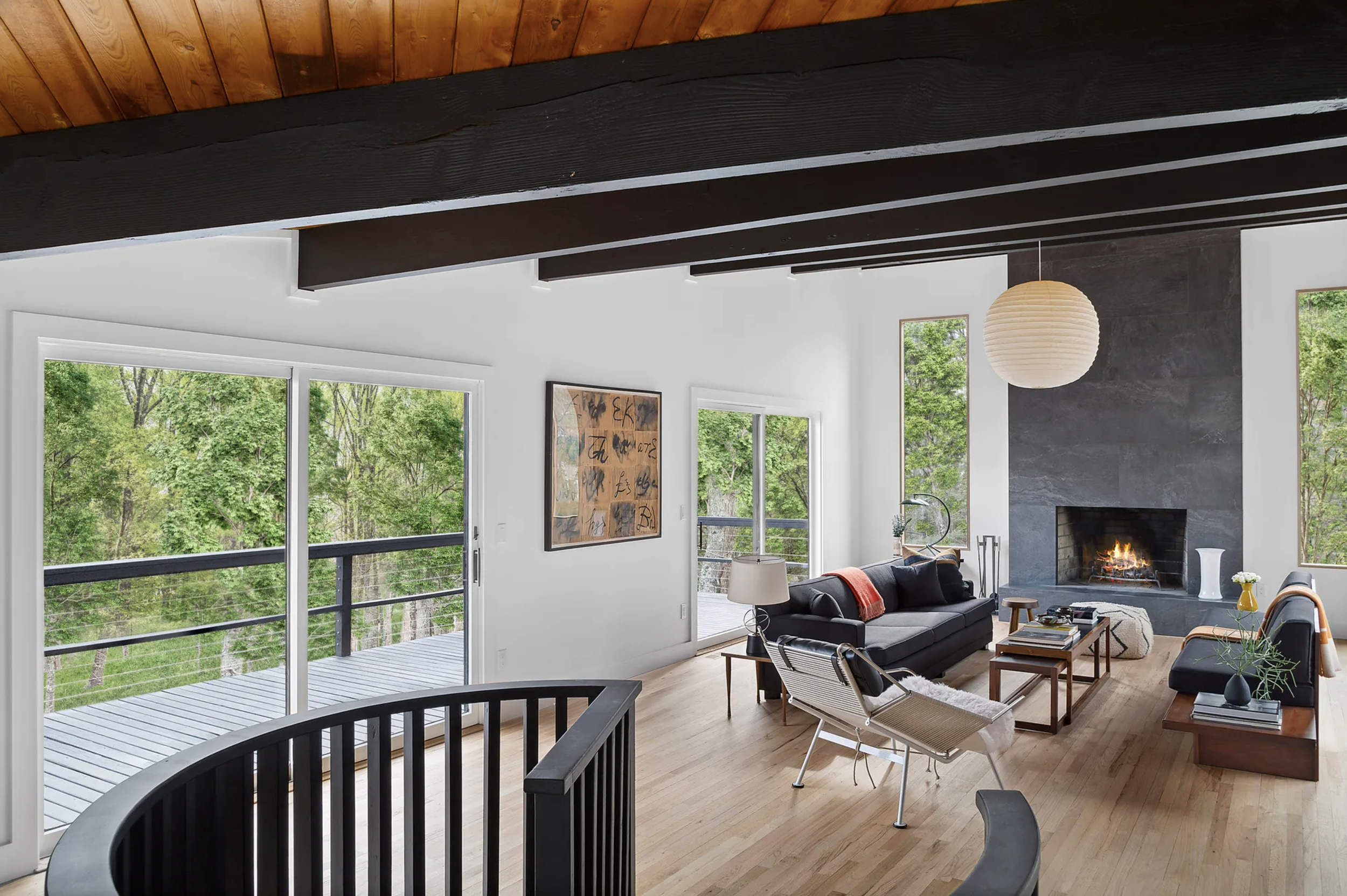
Design Approach: Cohesion Over Statement
From the outset, the goal was to create a home that felt unified rather than episodic. Each space was considered individually, but always in relation to the whole—ensuring continuity of scale, tone, and rhythm throughout the interior.
The interiors were designed to feel:
Calm but not cold
Elevated yet approachable
Structured without rigidity
This philosophy aligns closely with our approach to calm, light-filled interiors, where the experience of the home is guided by flow and proportion rather than decoration. A similar sensibility can be seen in Alewive Brook Road, where restraint and clarity shape spaces that feel composed and deeply livable.
Renovation Insight
When reworking an existing Hamptons home:
Resist the urge to “make a moment” in every room.
Prioritize cohesion across spaces over individual impact.
Use restraint to allow architecture and light to carry the design.
Let repetition of materials and proportions do the heavy lifting.
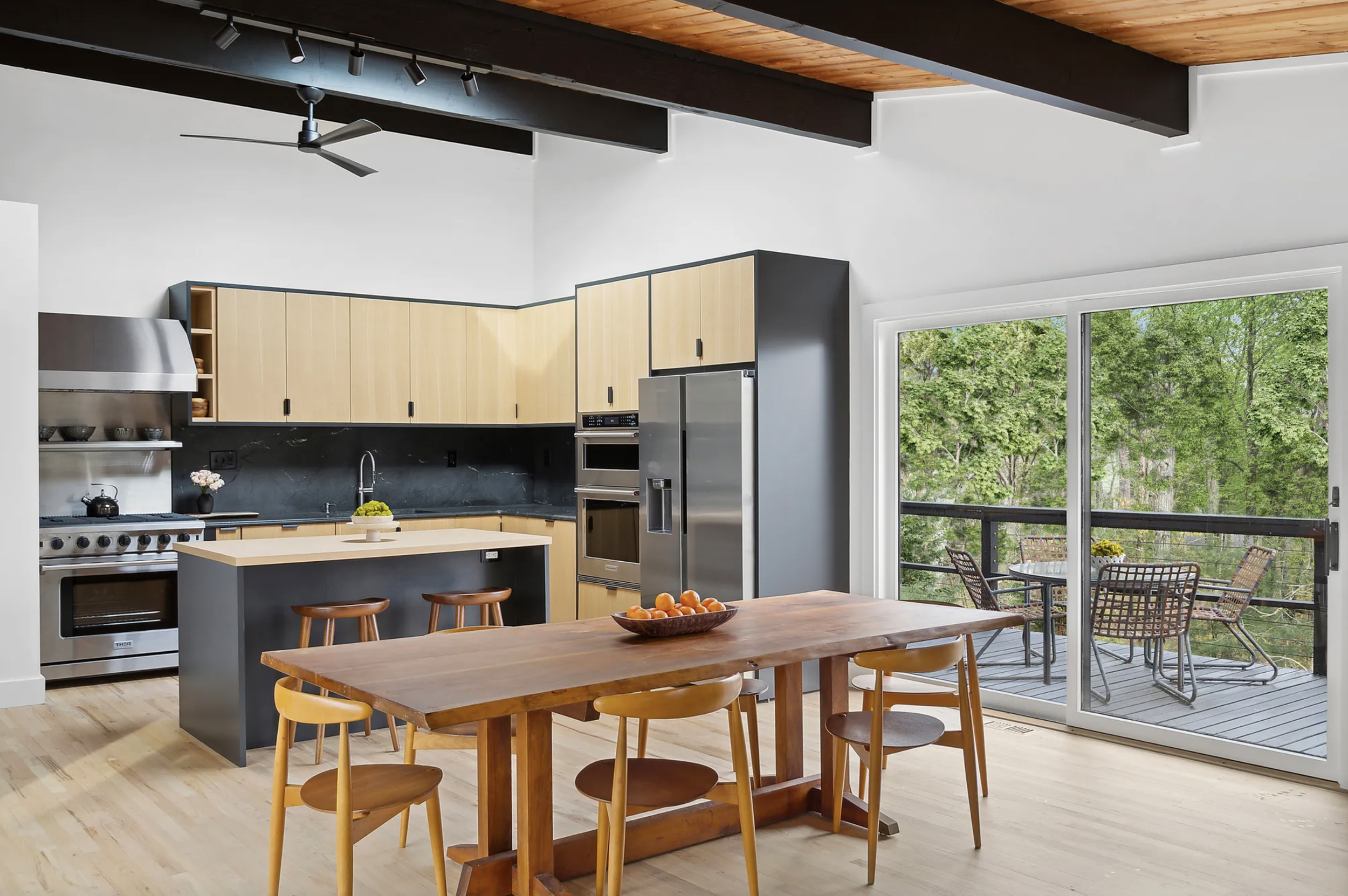
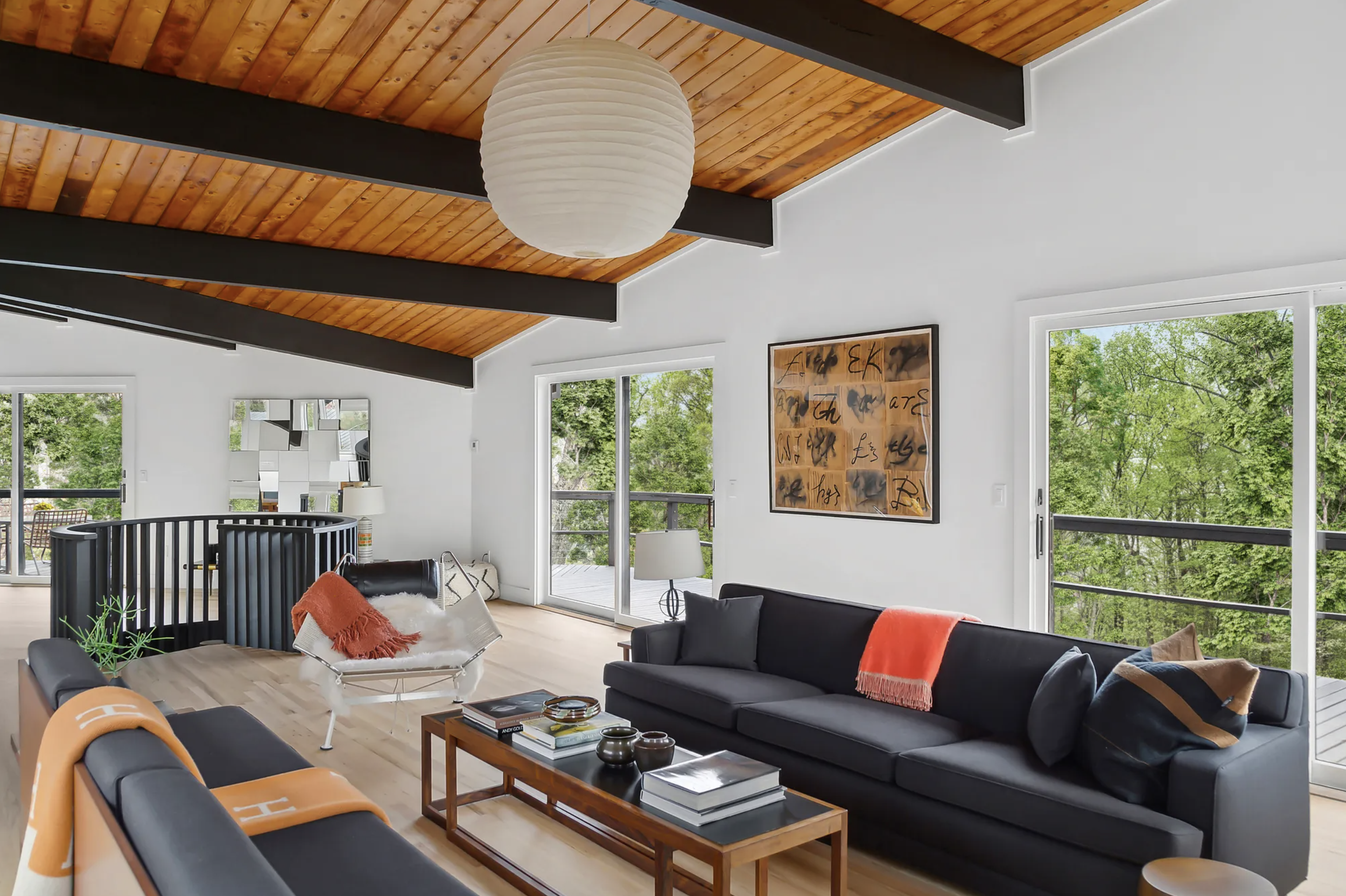
Interior Architecture: Subtle Structure
Architectural detailing played a quiet but important role at Masthead Lane. Trim profiles, ceiling treatments, and built-ins were used sparingly—adding depth and refinement without overwhelming the spaces.
Rather than layering decorative elements, the design relied on proportion and alignment to create visual order. Built-ins feel integrated rather than inserted, and transitions between spaces are deliberate but understated.
The layout was refined to better support modern living, with an emphasis on openness, light, and flexibility. Sightlines were improved, circulation clarified, and rooms allowed to breathe—creating a home that feels intuitive rather than imposed.
Renovation Insight
For clients updating interior architecture:
Edit existing details before adding new ones.
Use built-ins to reinforce structure, not dominate it.
Let ceiling heights, openings, and alignments guide decisions.
Think in terms of rhythm, not ornament.
Palette & Texture: Warmth Through Restraint
A restrained color palette allowed texture and form to take center stage. Natural materials anchor the interiors, creating warmth and visual continuity without relying on contrast or color saturation.
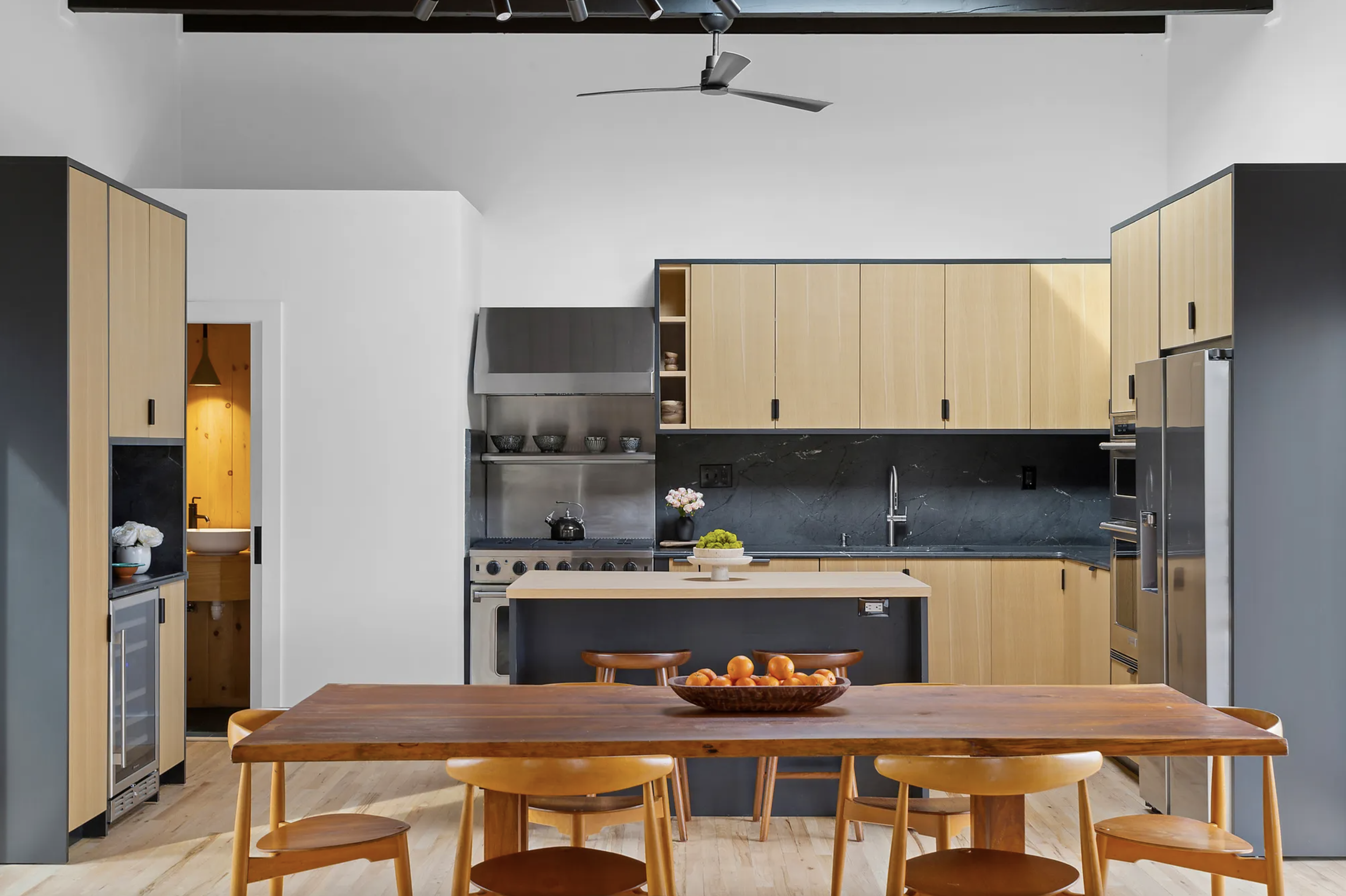
Wood tones, soft neutrals, and subtle textural variation create an environment that feels layered but calm. Rather than competing finishes, materials were selected to work quietly together—supporting the architecture and furnishings.
Many clients come to us seeking exactly this balance: designing interiors around comfort and flow so the home feels refined but effortless. This same livability-first mindset is central to Landfall Circle, where material warmth and thoughtful planning shape everyday experience.
Renovation Insight
When refining palette and materials:
Use texture to add richness instead of color.
Limit the number of materials to strengthen cohesion.
Choose finishes that improve with age.
Avoid surfaces that require constant maintenance in daily-use areas.
Living in the Hamptons: Quiet Confidence
Masthead Lane is a reminder that Hamptons homes don’t need to announce themselves. When thoughtfully designed, they simply feel right.
The success of the project lies not in dramatic moments, but in how naturally the home supports daily routines—hosting, retreat, and everything in between. Spaces adapt easily, remain comfortable year-round, and feel personal without being prescriptive.
This is the hallmark of enduring residential design.
Key Takeaways for Hamptons Renovations
If you’re considering a renovation similar to Masthead Lane, keep these principles in mind:
Design for cohesion, not spectacle
Let architecture and proportion guide decisions
Use restraint to create longevity
Prioritize flow and comfort over trend
Choose materials that age gracefully
These fundamentals create homes that feel timeless, personal, and easy to live in.
Masthead Lane reflects our belief that the most successful interiors are calm, intentional, and quietly confident. By respecting traditional architecture while refining it for modern living, the home achieves a sense of ease that feels both timeless and deeply personal.
If you’re considering a project, start a residential interior design project in the Hamptons, or explore how we approach interior design projects throughout the Hamptons.
Explore more of our residential work and the thinking behind it in our Design Stories.